Why Does Sterling Silver Turn Black?
Tarnishing is a natural surface reaction. Air, sulfur-containing compounds, moisture, contact with skin, cosmetics and household chemicals can gradually change the color of sterling silver. It does not mean that the silver has “gone bad.”
What do you want to understand first?
Choose a question: why silver tarnishes, how to slow the process, what to do if it has already turned dark, and how natural tarnish differs from intentional patina.
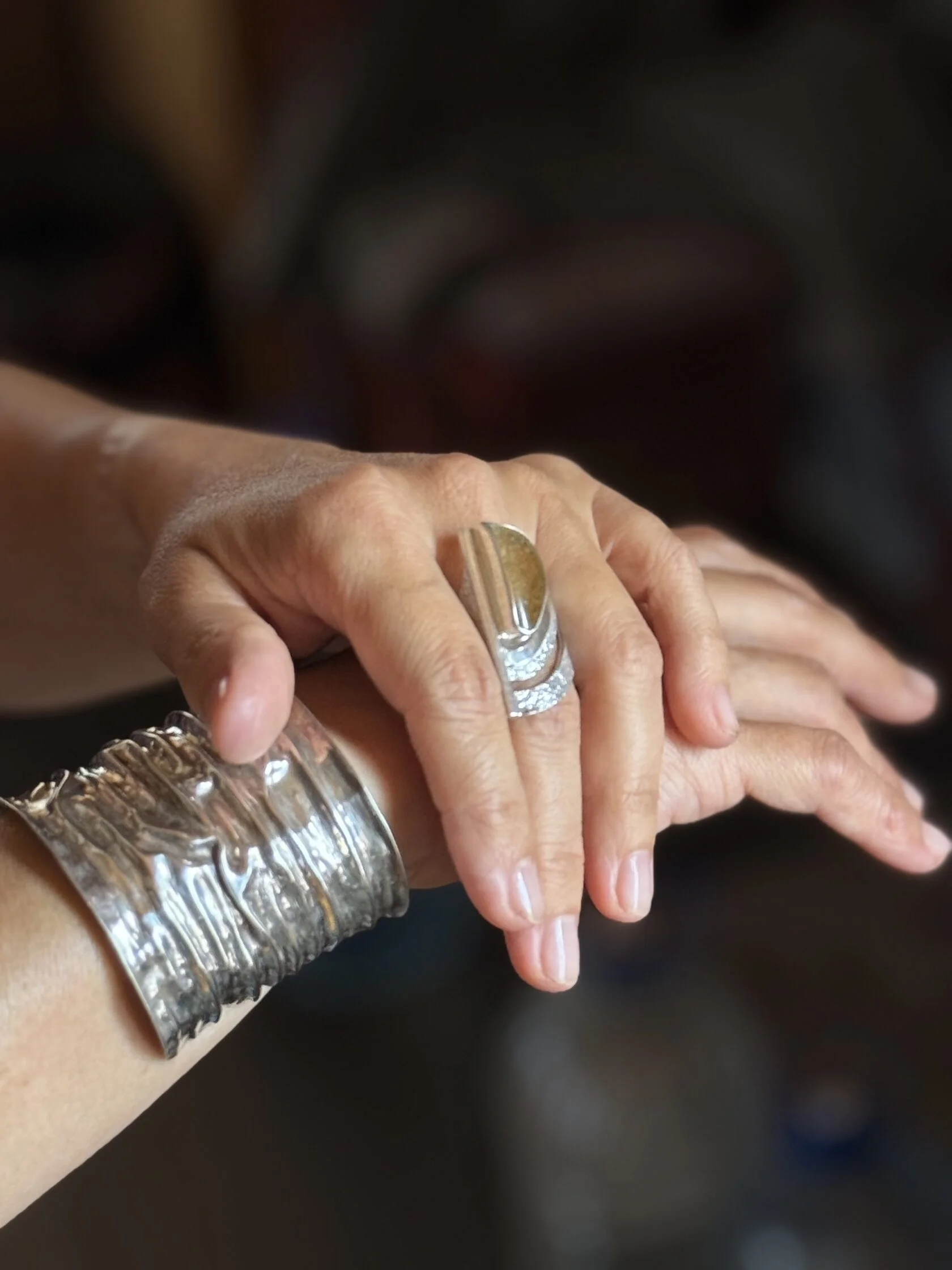
Silver reacts with its environment — it does not simply “go bad”
Chemical changes gradually occur on the surface of silver. Sulfur-containing compounds in the environment play an important role. Moisture, skin, cosmetics and household chemicals can accelerate the process.
This is why the same silver ring can change color at different speeds when worn by different people. The result depends not only on the piece itself, but also on how and where it is worn and stored.
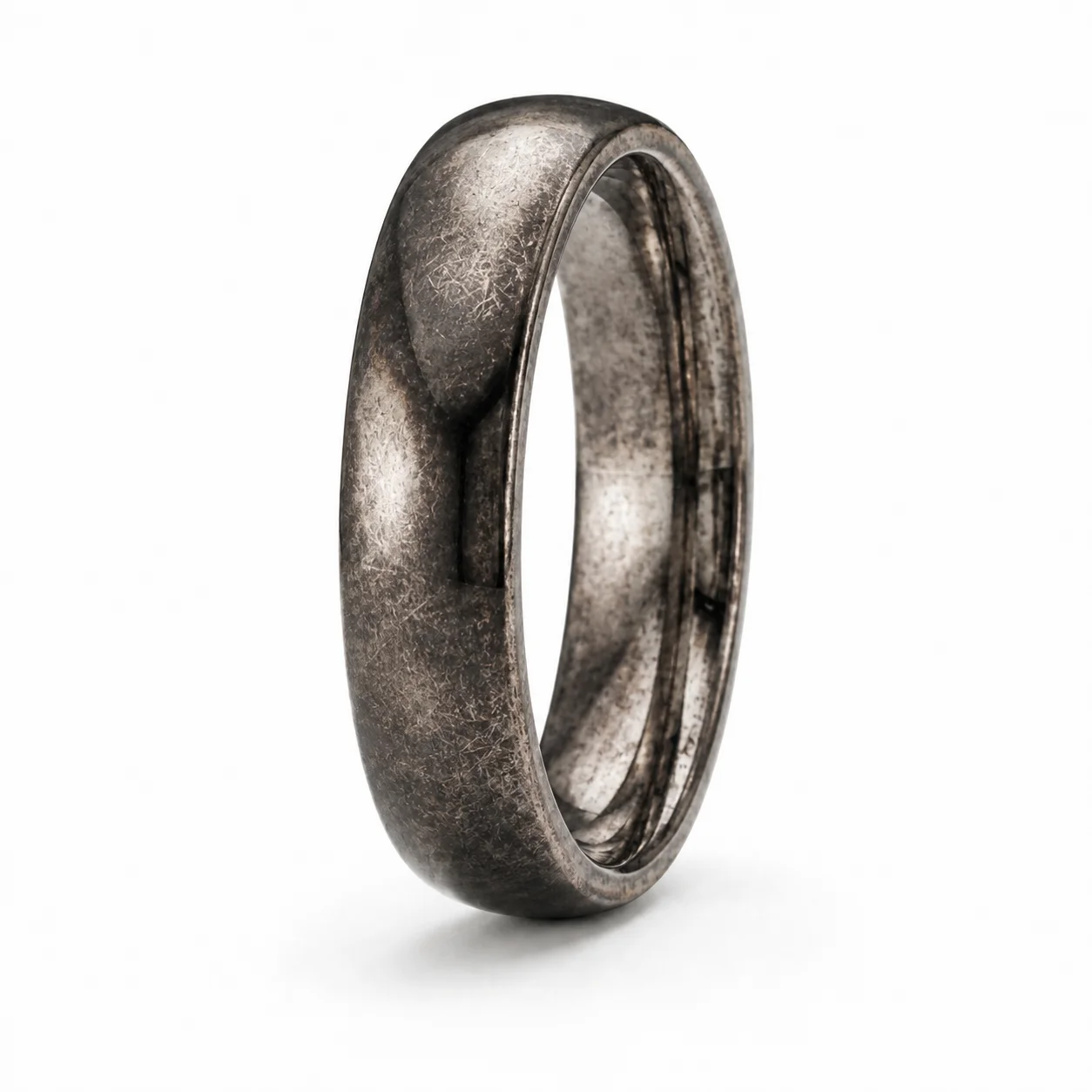
At first silver may simply lose some of its original brightness. It can then develop a soft gray tone, while some areas gradually become much darker.
 01
01
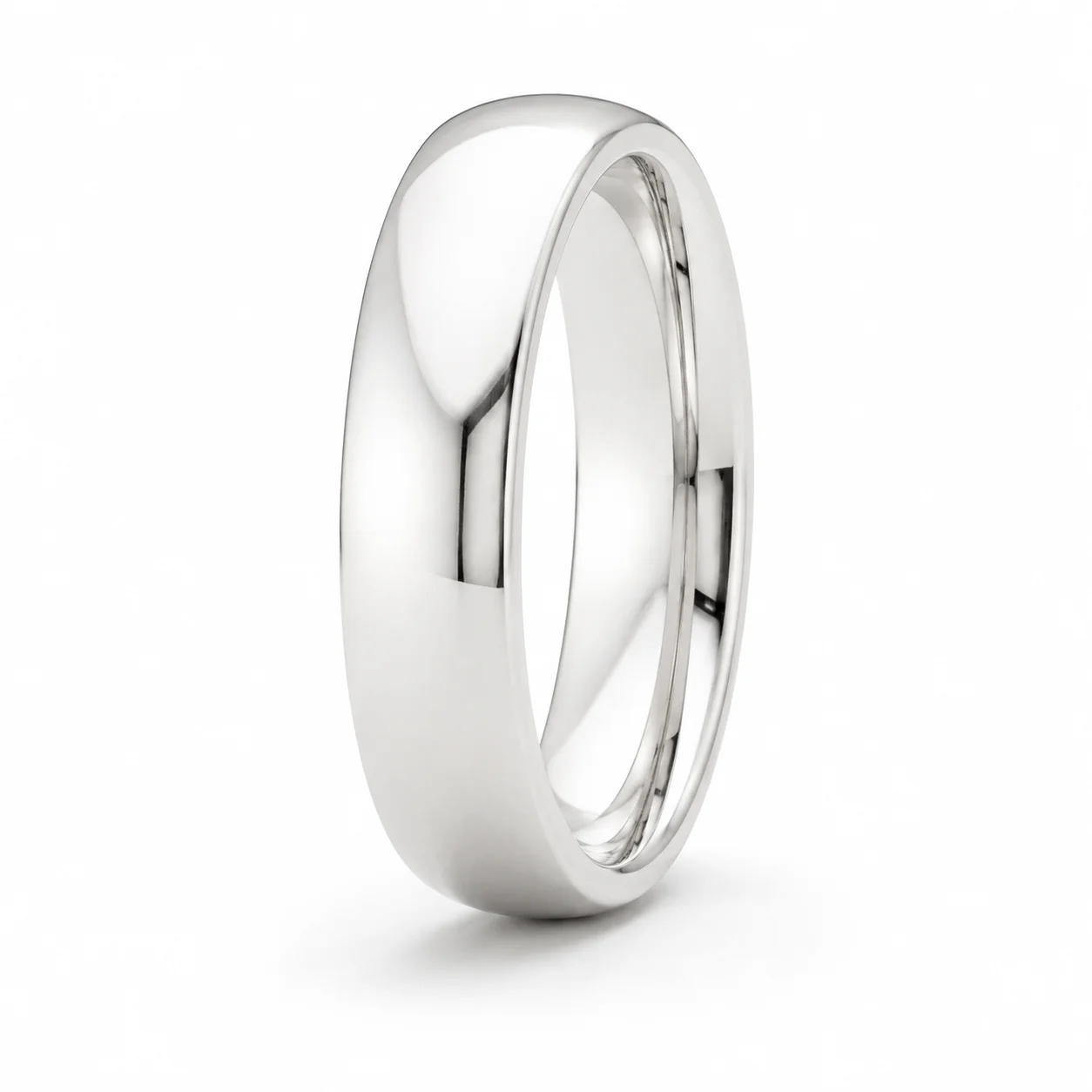
Bright silver
A clean, bright surface after making or careful cleaning.
 02
02
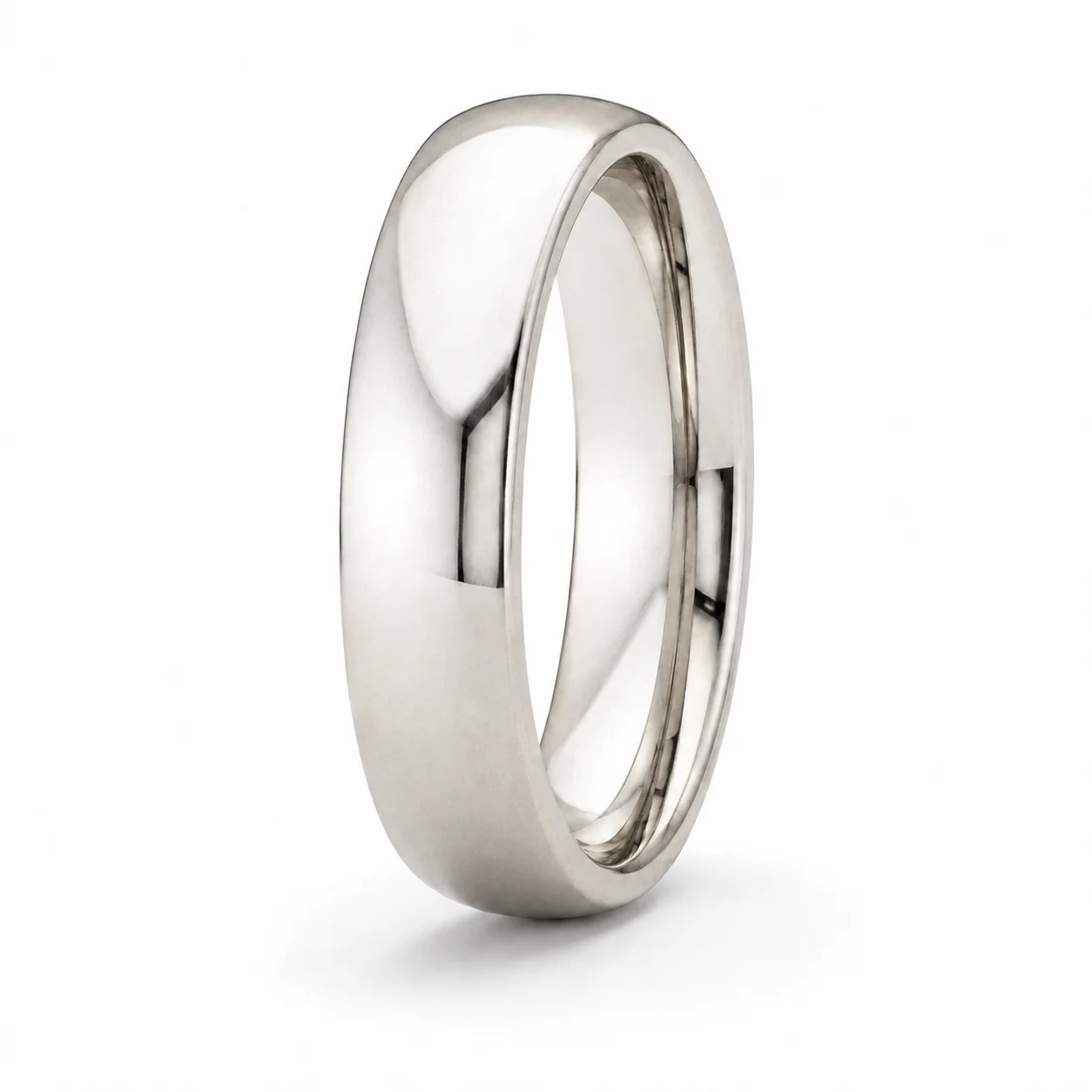
Light tarnish
The shine becomes softer and warmer gray tones begin to appear.
 03
03
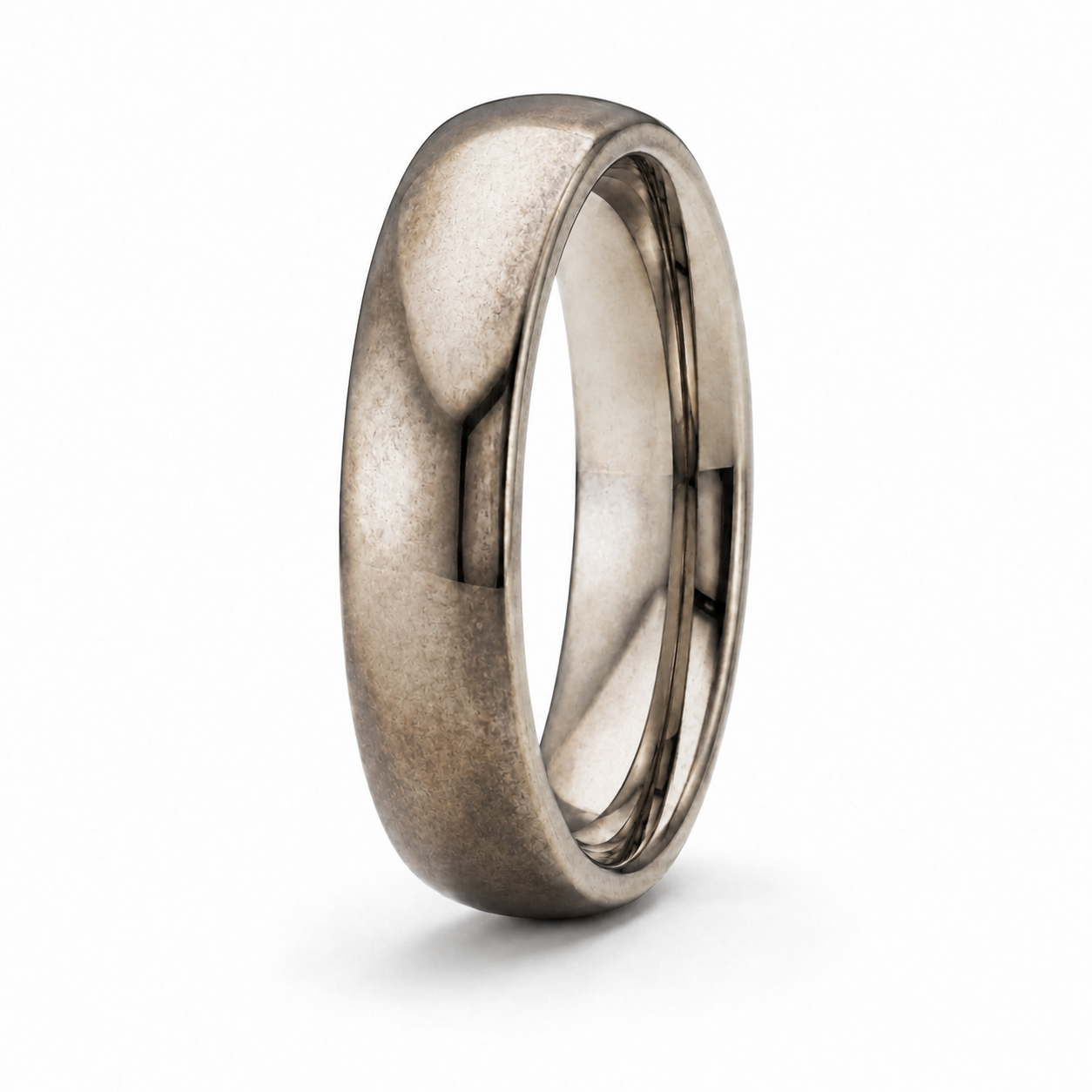
Visible tarnish
Gray and dark areas become more noticeable, especially where the surface experiences less friction.
 04
04
Heavy tarnish
The surface becomes significantly darker, while scratches and signs of everyday wear make it even more uneven.
Silver is constantly exposed to substances present in the surrounding environment.
Humid conditions can accelerate changes on the metal surface.
Sweat, salts and individual skin chemistry can influence the rate of tarnishing.
Perfume, creams and other products can remain on the surface of jewelry.
Chlorine and household cleaning products can affect silver much more strongly.
You cannot prevent tarnish completely, but you can slow it down
Silver changes while it is being worn. A few simple habits, however, can help keep the surface brighter and cleaner for a longer period of time.
- store jewelry in a dry place;
- store silver separately from other jewelry;
- remove it before swimming or using household chemicals;
- apply perfume and creams before putting jewelry on;
- wipe it occasionally with a soft cloth.
- long exposure to moisture;
- chlorine;
- household cleaning products;
- storing jewelry while it is damp;
- unnecessary aggressive polishing.
The surface will naturally evolve with wear. The purpose of good care is not to stop time, but to avoid accelerating the changes unnecessarily.
First understand what you are actually looking at
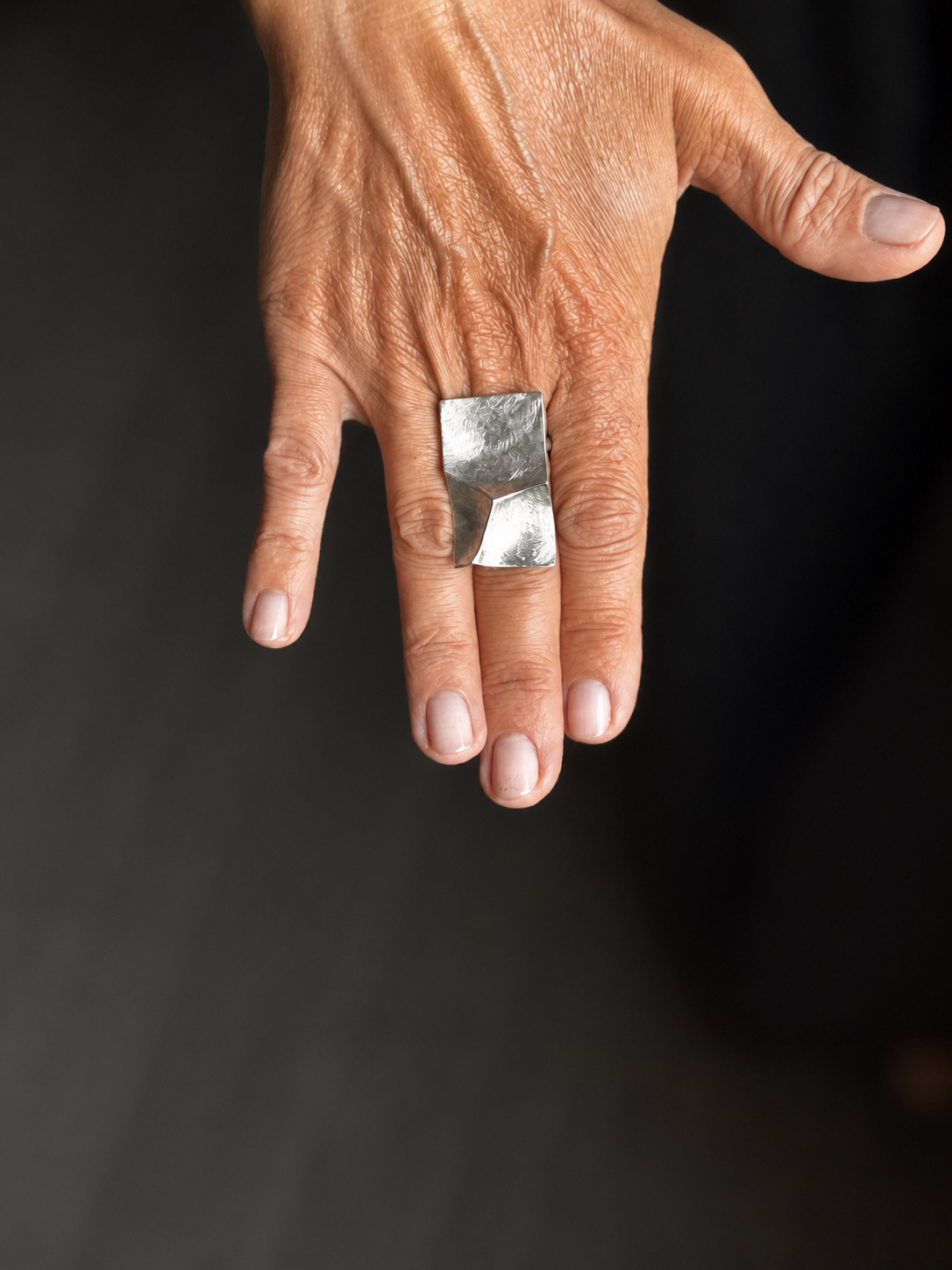
Not every dark surface is simply dirt. Before cleaning, it is important to understand whether you are seeing natural tarnish, intentional patina or part of the artistic finish of the piece.
If the piece is ordinary bright polished silver without decorative patina, start with a soft dry cloth and use stronger cleaning only if necessary.
But if the jewelry has dark recesses, a textured finish or intentional oxidation, aggressive polishing may change the original appearance of the piece.
- look at whether the darkening is even or selective;
- check whether the piece originally had patina;
- start with a soft cloth;
- consider stones and surface coatings.
- use abrasives;
- scrub with a stiff brush;
- immerse the piece in unknown chemicals;
- polish away decorative dark areas.
Stronger cleaning can always be done later. Restoring accidentally removed patina or surface texture is much more difficult.
They can look similar, but they are not the same thing
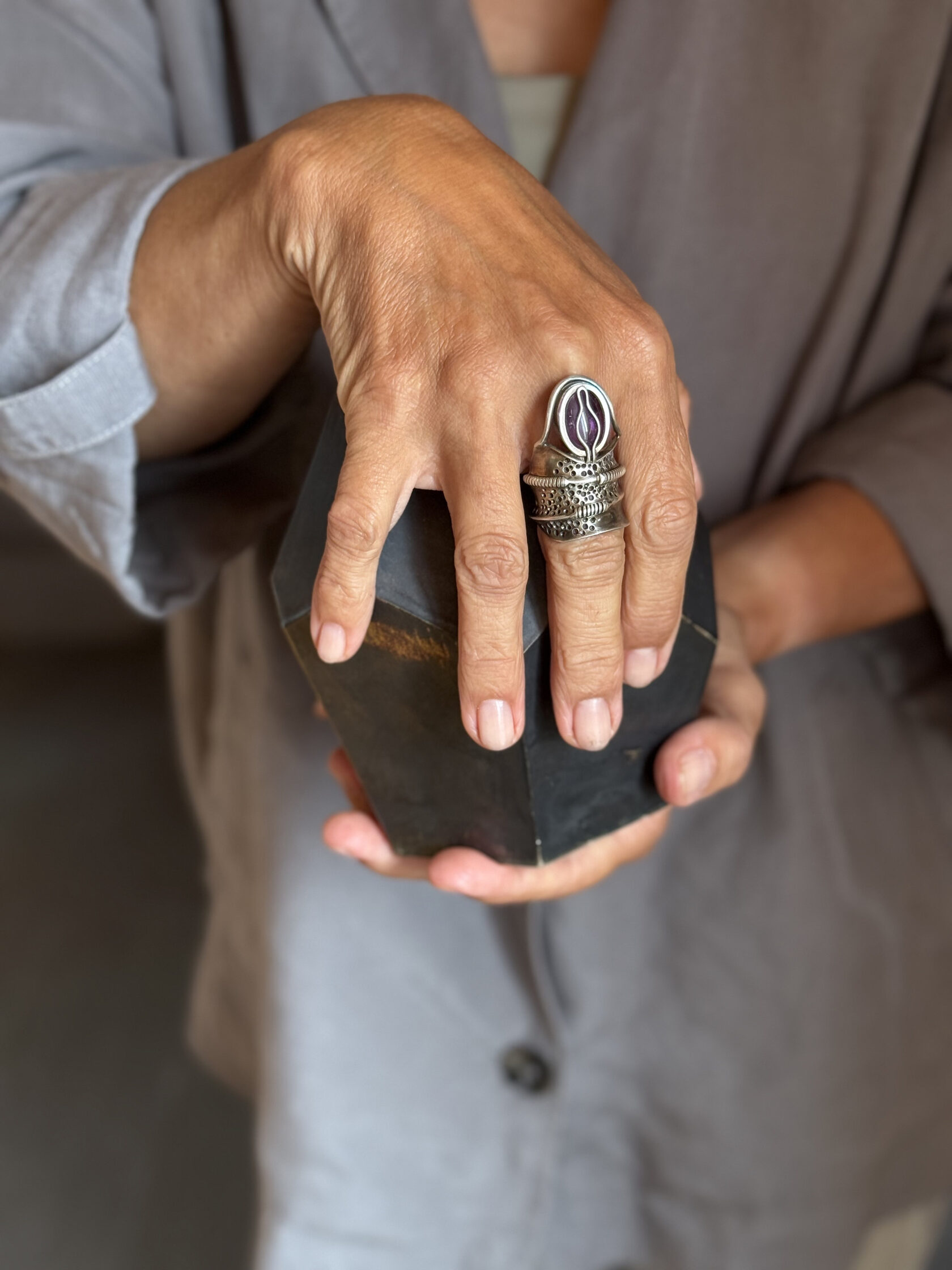
Natural tarnish develops gradually during wear and storage. Patina is created intentionally by the maker to change the color of the surface and emphasize the form of the piece.
- develops gradually;
- can be uneven;
- depends on environment and wear;
- may appear more strongly where the surface experiences less friction.
- is created intentionally;
- often emphasizes recessed areas;
- creates contrast between bright and dark silver;
- is part of the design of the piece.
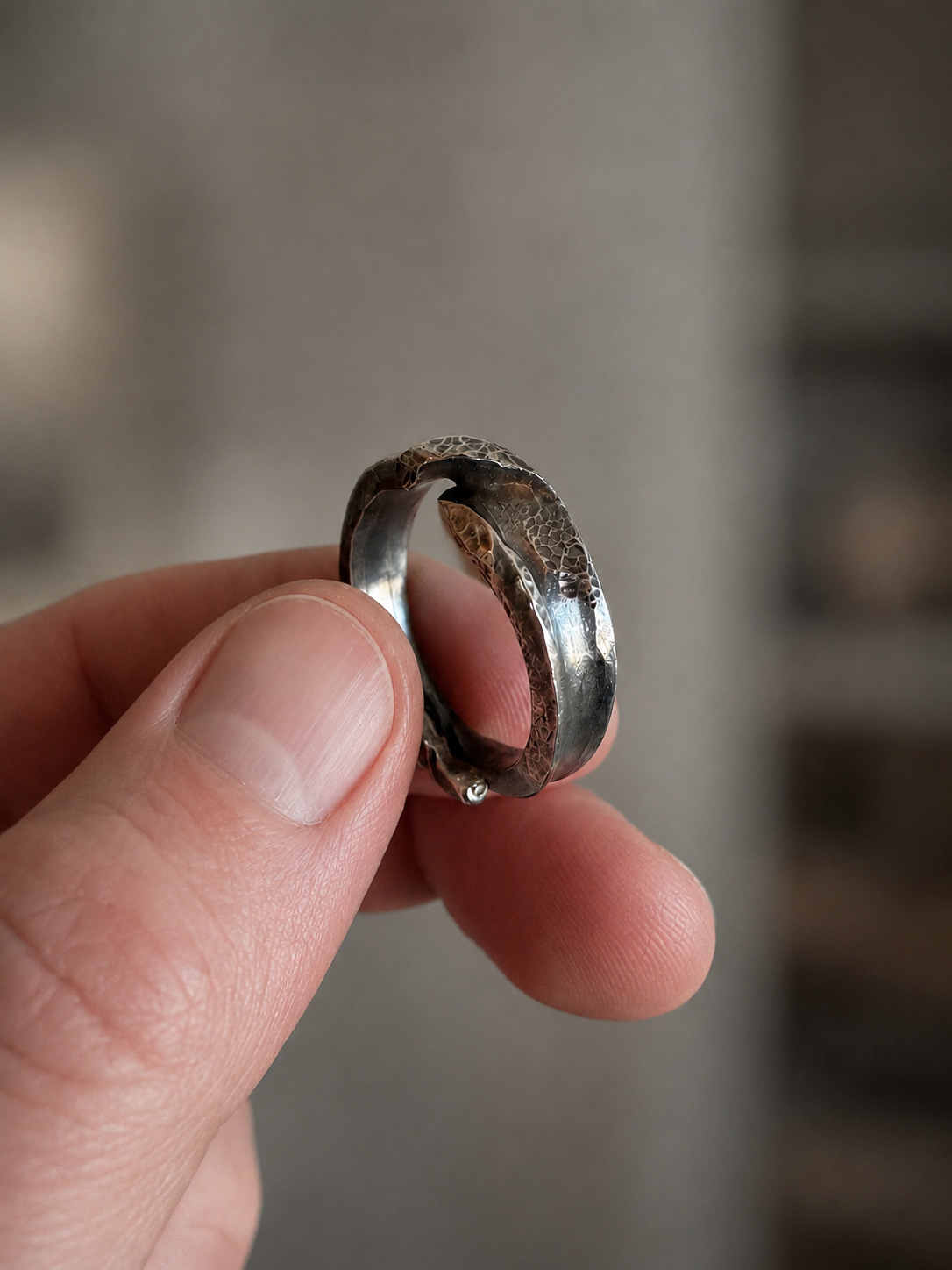
In NP Studio jewelry, dark surfaces are often part of the visual character of the object. They emphasize relief, volume and traces of handwork.
Tarnishing is a normal part of the life of silver
Sterling silver interacts with its environment, so its surface naturally changes over time. Proper storage and care can slow the process, but the goal does not need to be keeping the metal permanently unchanged. The important thing is to distinguish natural tarnish from intentional patina and not remove a decorative finish together with surface discoloration.
