
NP STUDIO / JOURNAL / MATERIAL
How Long Does Sterling Silver Last?
Sterling silver 925 has no fixed expiration date. A well-designed piece can last for many years or decades. Usually the surface or a specific structural element changes before the metal itself becomes unusable.
Does sterling silver have an expiration date?
Silver is a metal, not a material with a calendar shelf life. It does not become “expired” after five, ten or twenty years. An old sterling silver piece can remain wearable for a very long time if its construction remains sound.
Appearance and technical condition are different things. A piece may scratch, tarnish or lose its original polish while remaining structurally strong.
What actually wears out in silver jewelry?

What determines how long sterling silver lasts?
Longevity is not determined by fineness alone. Thickness, construction, mechanical load, frequency of wear, moving parts, stones, joints and maintenance all matter. The production process is explained in How Sterling Silver Is Made.
Metal thickness matters
Two rings made from the same 925 alloy can age very differently. A thin element responds more quickly to bending and long-term friction, while a heavier section contains a larger reserve of material.
Mass alone is not a guarantee of longevity. What matters is where the load is concentrated and how the piece is constructed.
Rings usually wear faster than pendants
Rings constantly touch handles, tables, tools and other objects. Bracelets rub against clothing and surfaces. Earrings and pendants usually experience less direct impact and friction.
| Jewelry type | Typical mechanical load |
|---|---|
| Ring | High |
| Bracelet | Medium / high |
| Earrings | Low |
| Pendant | Low |
| Chain | Depends on thickness and construction |
Tarnish does not mean the silver is worn out
Tarnish is a surface change, not evidence that the metal has reached the end of its life. A piece can become darker while remaining mechanically sound.
For the chemistry, see Why Does Sterling Silver Turn Black?
Are scratches serious wear or normal use?
Fine scratches are almost inevitable, especially on mirror-polished silver. They do not automatically indicate serious wear.
On matte, textured and patinated surfaces, signs of use can look different and sometimes become part of the visual character of the piece.
Can sterling silver become thinner over time?
Yes. Friction removes microscopic amounts of metal. The process is normally slow, but after years of daily use it can become visible in heavily loaded areas.
On a ring, the lower part of the shank is a common example. On other pieces, loops and clasps may receive more concentrated wear.
What happens to solder joints and connections?
Sometimes the silver remains in good condition while one connection needs attention. Repeated loading matters especially for thin sections, hinges and moving parts.
Repairing one element does not mean that the whole object has “expired.” Many sterling silver pieces can be serviced and repaired.
What happens to stones and settings?
Stones, settings and silver bodies age differently. In a ring worn every day, the weak point may eventually be the way a stone is held rather than the bulk of the metal.
Prongs and thin setting edges are worth checking periodically on frequently worn rings.
Can sterling silver be worn every day?
Yes. Daily wear does not make sterling silver “bad,” but it increases the number of mechanical contacts. A ring worn every day will usually change faster than a pendant worn only a few times per month.
How to extend the life of sterling silver jewelry
Avoid unnecessary force on delicate parts, check clasps and settings periodically, store pieces so they do not scratch one another, and repair weakened parts before a small issue becomes a larger one.
For surface care, see How to Care for Sterling Silver and How to Prevent Sterling Silver from Tarnishing.
Can old sterling silver jewelry be restored?
In many cases, yes. Polish can be renewed, matte finishes restored, patina reapplied, and some deformation or structural damage repaired.
Severe thinning or major construction damage may require more extensive rebuilding, but age alone is not a reason to discard a silver piece.
How NP Studio jewelry ages
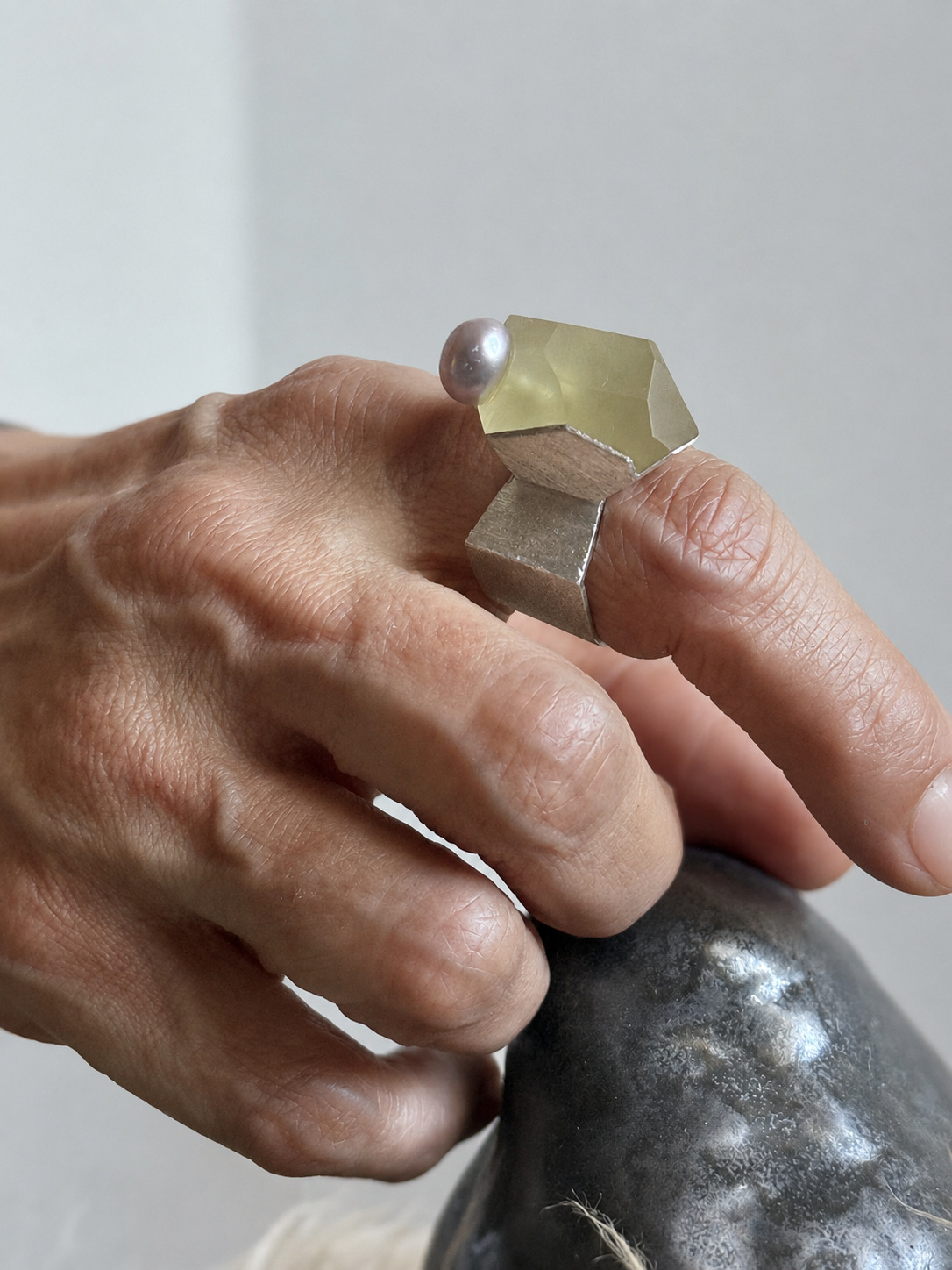
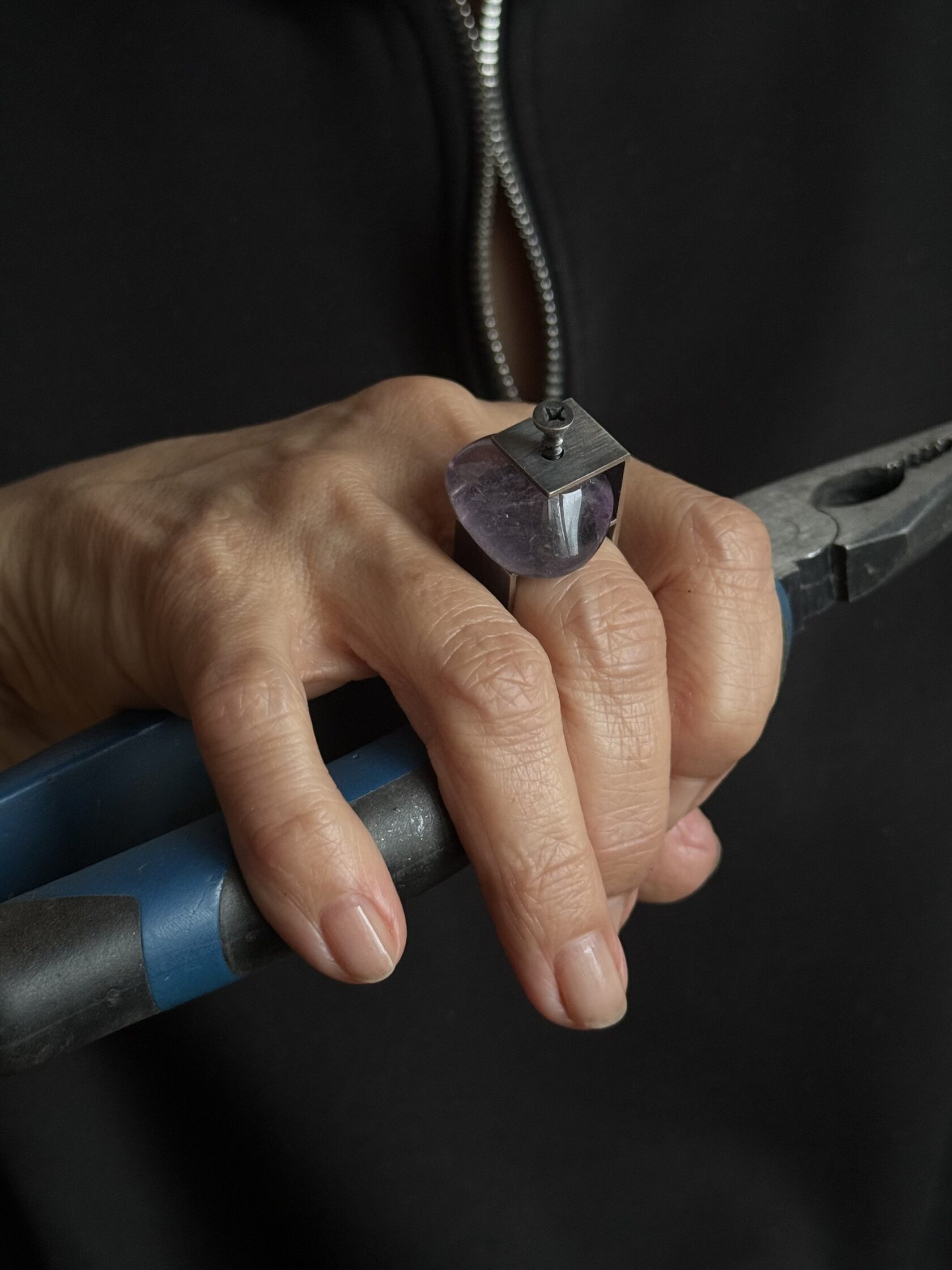
For NP Studio, surface change over time is not always treated as a defect. On textured, matte or patinated silver, traces of use can become part of the character of the object.
Structural integrity still matters more than visual patina: weakened joints, significant deformation or worn settings need attention.
So how long can sterling silver jewelry really last?
There is no universal number. A well-designed sterling silver piece can last for decades and be passed on if its construction suits the load and it is maintained when necessary.
Frequently asked questions
In short
Sterling silver 925 has no fixed expiration date.
Longevity depends on construction, thickness, load, friction, connections and maintenance.
READ NEXT / NP STUDIO JOURNAL
