
NP STUDIO / JOURNAL / DISCOVERY
Where to Find Unique Jewelry from Independent Artists
Much of independent jewelry exists outside conventional retail. Artist websites, specialist jewelry platforms, galleries, exhibitions and jewelry weeks often provide a more direct route to individual makers and the wider body of work behind a single piece.
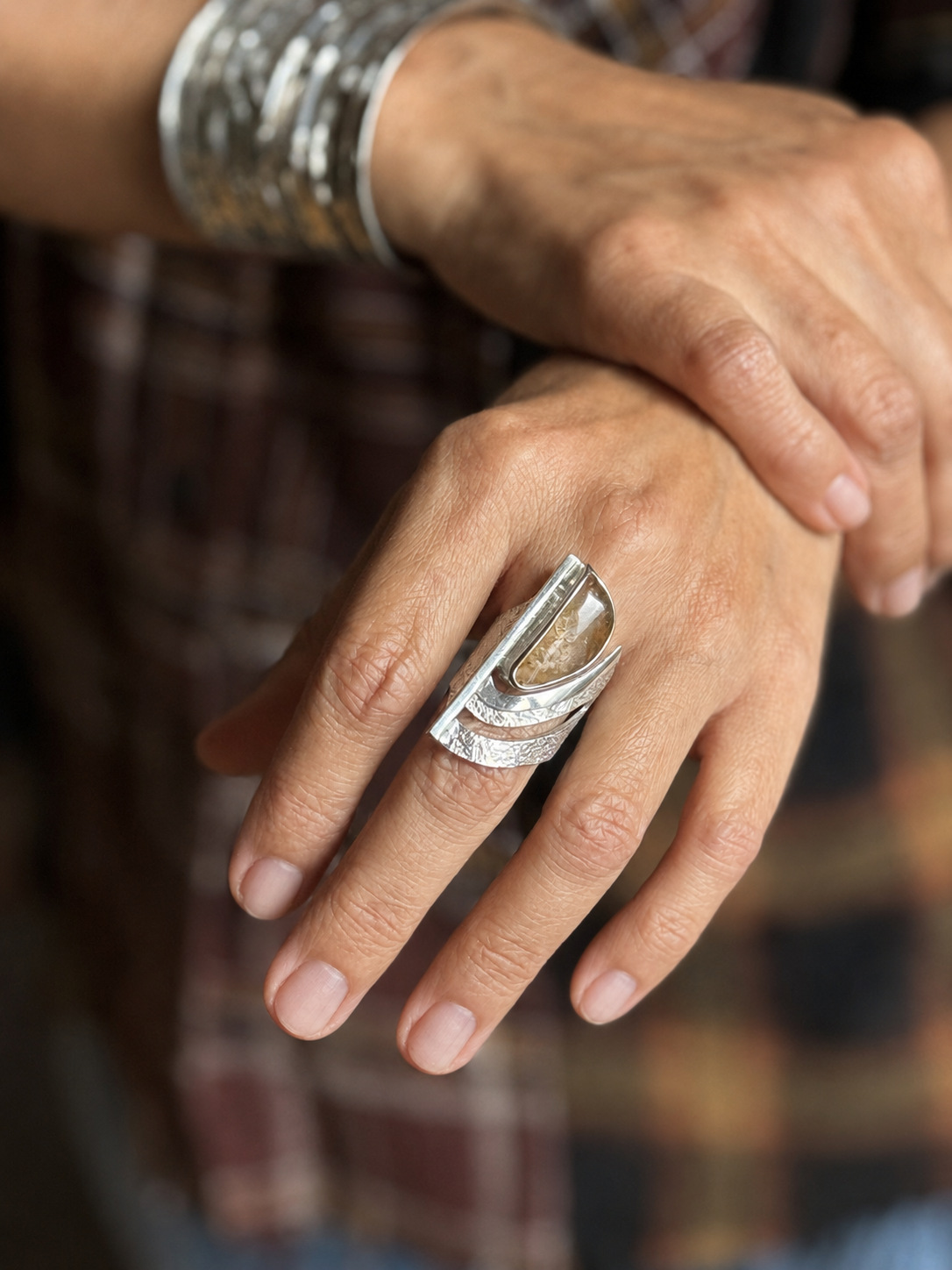

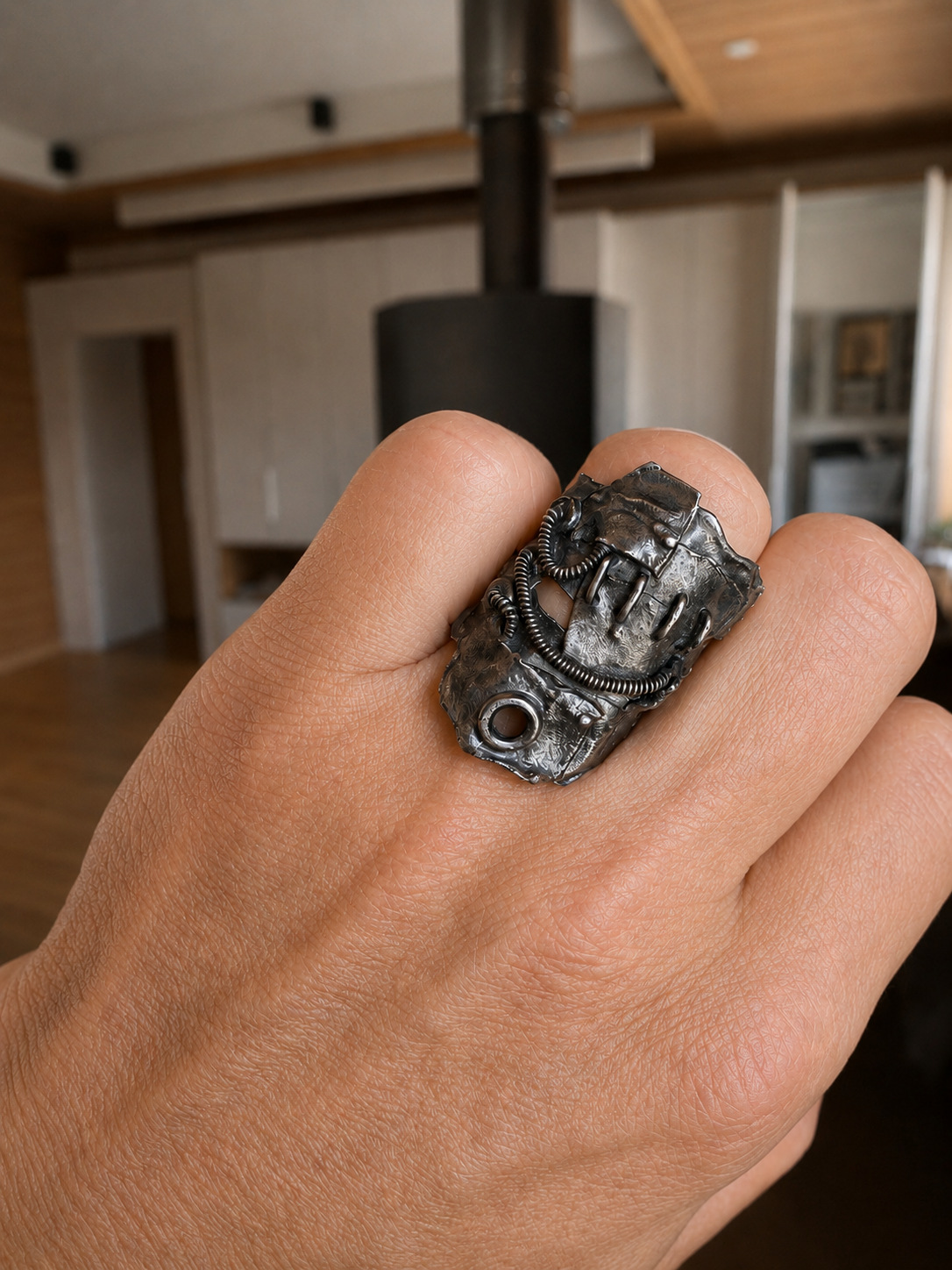
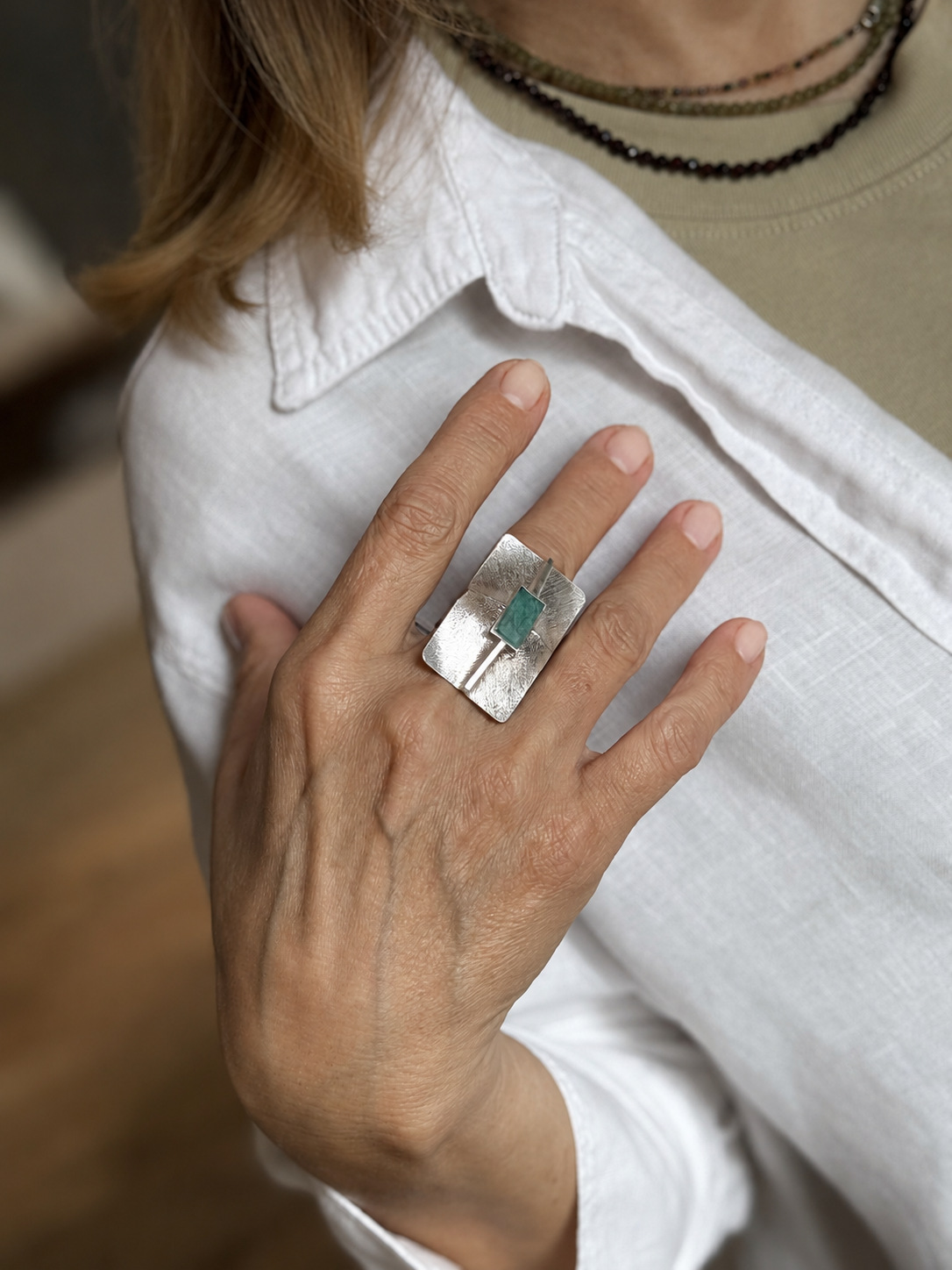
Here, “unique jewelry” is used in the broad search sense of distinctive, unusual or artist-made jewelry. It does not automatically mean that a piece is literally one of a kind.
This page is about where to look. How to evaluate an artist, seller or individual piece is a separate decision task, so this is not a trust or quality checklist.
Why independent jewelry can be harder to find
An independent jeweler may have no physical store, may work in very small series, or may keep part of the practice visible only through an archive. Some pieces are shown through galleries, exhibitions or prototype pages rather than conventional stock.
Large retail is naturally more visible in product search. That does not make independent jewelry inherently better; it simply means the route to a smaller maker often begins somewhere other than a standard product listing.
Start with the artist’s own website
An artist or studio website is the most direct route because it can show the relationship between several works rather than one isolated product. You may find finished works, archives, collections, the maker’s name, materials, work status and contact routes.
NP Studio is one real example: Works presents individual objects, Collections organizes directions, and About identifies the maker and practice. This is context, not a reliability checklist.
A piece can remain useful after it sells because it may lead to the artist’s name, archive, related series and a broader visual language.
Specialist platforms and directories
Professional jewelry platforms often function primarily as a discovery layer: they surface makers, galleries, exhibitions, events and professional profiles.
Klimt02 is a current international example. Its site includes jewellers, galleries, current and forthcoming exhibitions and other activity across the contemporary-jewelry field. It should not be read as a store that sells every work shown there; purchasing routes depend on the individual maker or gallery.
Klimt02 — jewellers, galleries, exhibitions and eventsContemporary and art-jewelry galleries
A specialist gallery is useful when you want to encounter a selected group of makers rather than search for every artist from zero. Galleries may offer online viewing, physical exhibitions and direct inquiry for individual works.
Art Jewelry Forum’s On Offer series presents jewelry selected by its international gallery supporters and directs inquiries for individual pieces to the relevant gallery. That makes it a gallery-based discovery route, not a guarantee that every work is available everywhere.
Art Jewelry Forum — On Offer / member galleriesJewelry weeks, exhibitions, biennials and fairs
A single event can expose you to many makers, galleries, student practices and temporary projects in a short period of time. Jewelry weeks and biennials are therefore useful discovery tools, not just destinations for insiders.
Examples include the Munich / Schmuck context, Parcours Bijoux in Paris, NYC Jewelry Week and contemporary-jewelry biennials in different cities. Programs and dates change from year to year, so check the current edition.
NYC Jewelry Week maintains a DISCOVER section centered on makers and jewelry practices, while Klimt02 continuously lists current and upcoming activity.
NYC Jewelry Week — DISCOVERSocial media is useful for discovery, not as the only context
Instagram, Pinterest and visual search can be excellent first-contact tools. A single image may introduce you to a piece, process or maker that conventional retail search would never surface.
A social profile is a discovery channel, not proof of authorship, quality or availability by itself.
Search for the maker, not only the word “ring”
A broad query such as silver ring mainly returns product pages. For discovery, language that points toward a maker or professional practice is often more useful.
Too broad
silver ringsilver jewelryBetter for discovery
independent silver jewelry artistcontemporary jewelry artistsculptural silver ring artistartisan sterling silver jewelryart jewelry artistindependent jewelry designerThese are practical search-language examples, not a mechanical SEO keyword list.
Search through style and idea
You may not know an artist’s name yet, but you may already know the kind of form or idea you want to explore. Architectural jewelry, biomechanical jewelry, sculptural ring, art jewelry, geometric silver jewelry, organic jewelry or statement rings can all serve as entry points.
Once an interesting object appears, move from the style term to the maker. NP Studio has context pages for Art Jewelry, Architectural Jewelry, Biomechanical Jewelry and Jewelry as Wearable Sculpture.
Search inside the artist’s collections and archive
A sold work can still be useful. It may reveal a visual language, material choices and recurring directions, or lead to a current collection.
NP Studio is one specific example: the site contains ready works, sold works, prototypes and archive pieces. Some older work pages explicitly say that a related new piece may be discussed. That is how this studio works; it should not be generalized to every independent artist.
If the piece you found has already sold
Several outcomes are possible: the object may remain archive-only; the maker may have other available work; or the studio may be open to a new piece in a related direction.
The third option is not universal. At NP Studio, many archive and prototype works can function as starting points, but an exact copy is not promised. That route is handled separately through the Custom page.
What about large marketplaces?
Large marketplaces can still be useful because they provide broad selection and strong search tools. The marketplace itself, however, is only a channel.
Independent authorship belongs to the individual seller or practice, not to the platform name. A listing on a large marketplace does not by itself tell you who designed or made the object. This page does not rank marketplaces or treat them as inherently good or bad.
What makes a discovery source more useful than a product feed?
This is not a test of the maker or the quality of a piece. It is simply about whether the information source helps you see the person and practice behind the object.
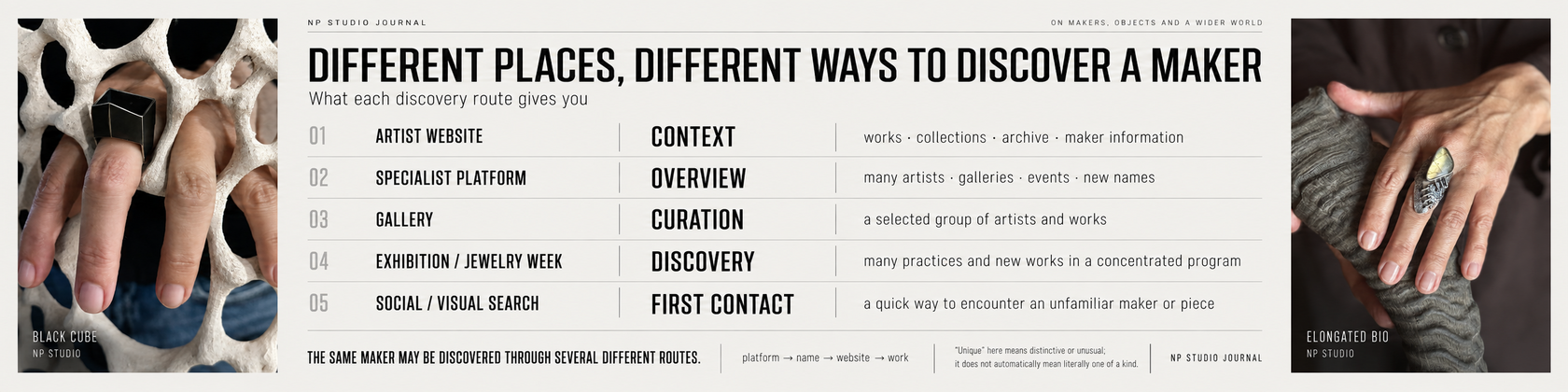
What the Direct Studio Route Looks Like
On NP Studio, one direct route can be summarized as:
This is one real studio example, not a universal structure every independent jeweler must follow.
Four more works as discovery entry points
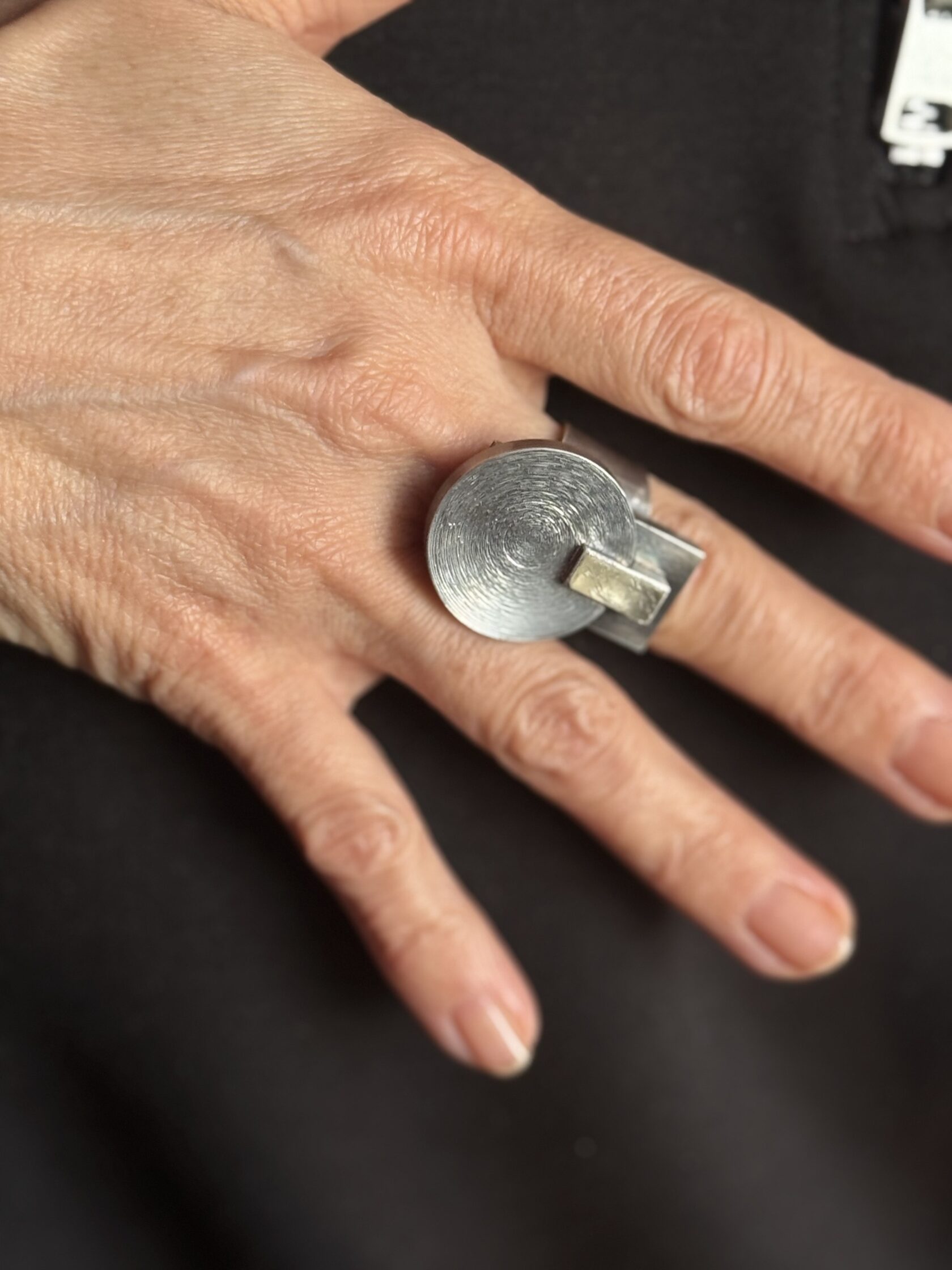 Construction with a DiscA single work page can lead to the maker, other objects and related directions within the practice.
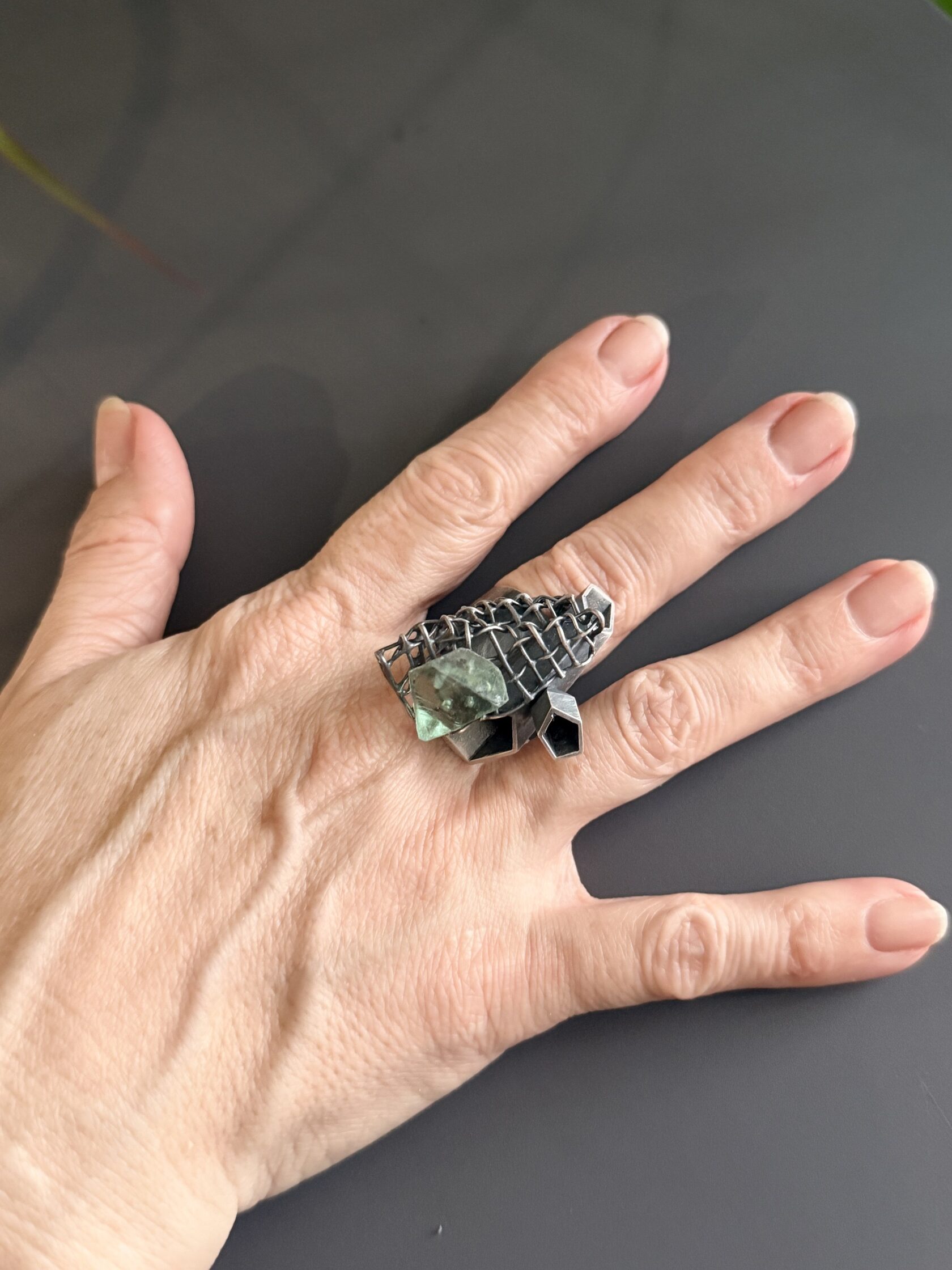 Geometric Flowers 3An archive page can reveal how several works connect inside one independent practice.
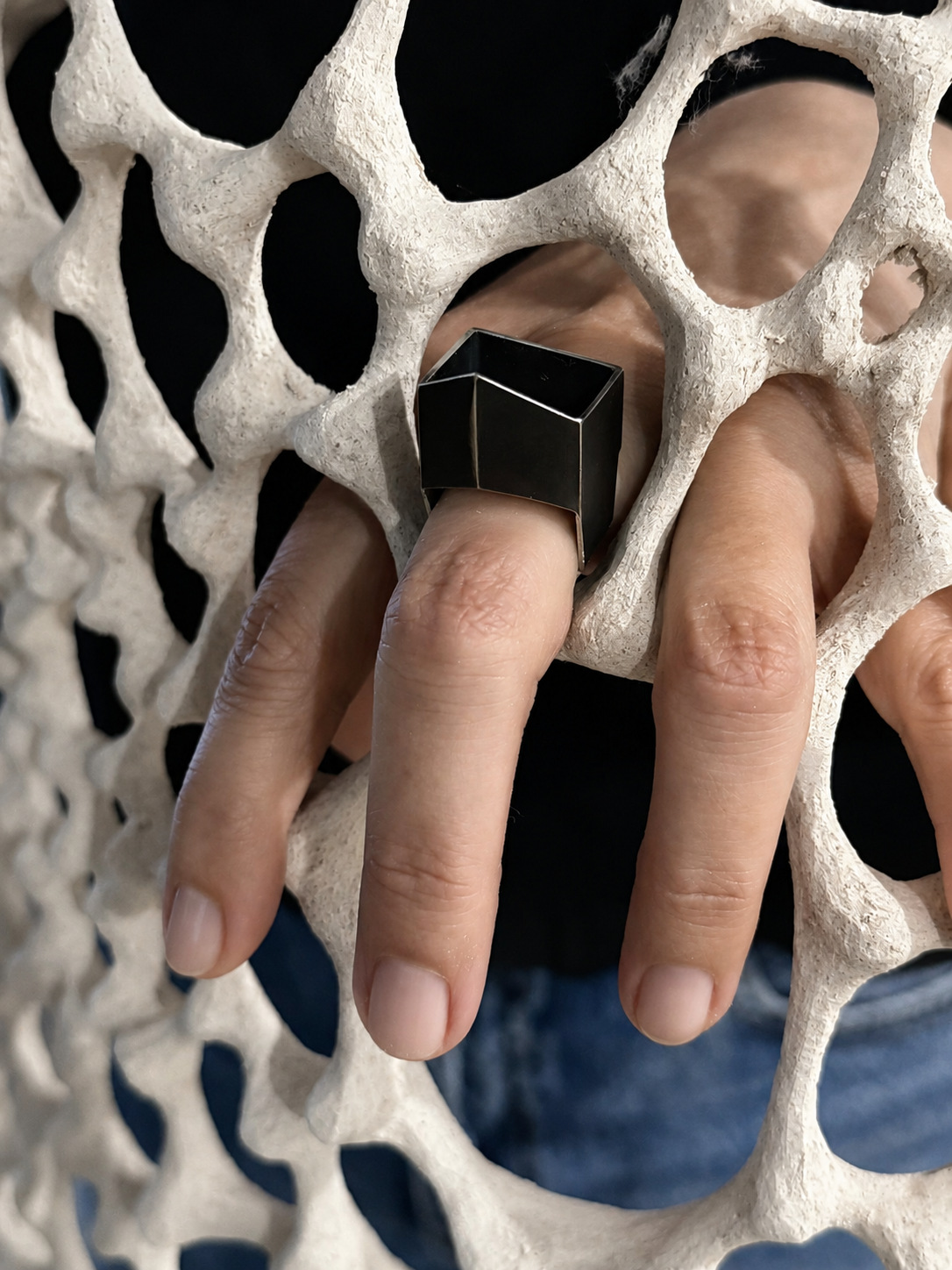 Black CubeSearching by form or idea often leads first to one object and then to the maker behind it.
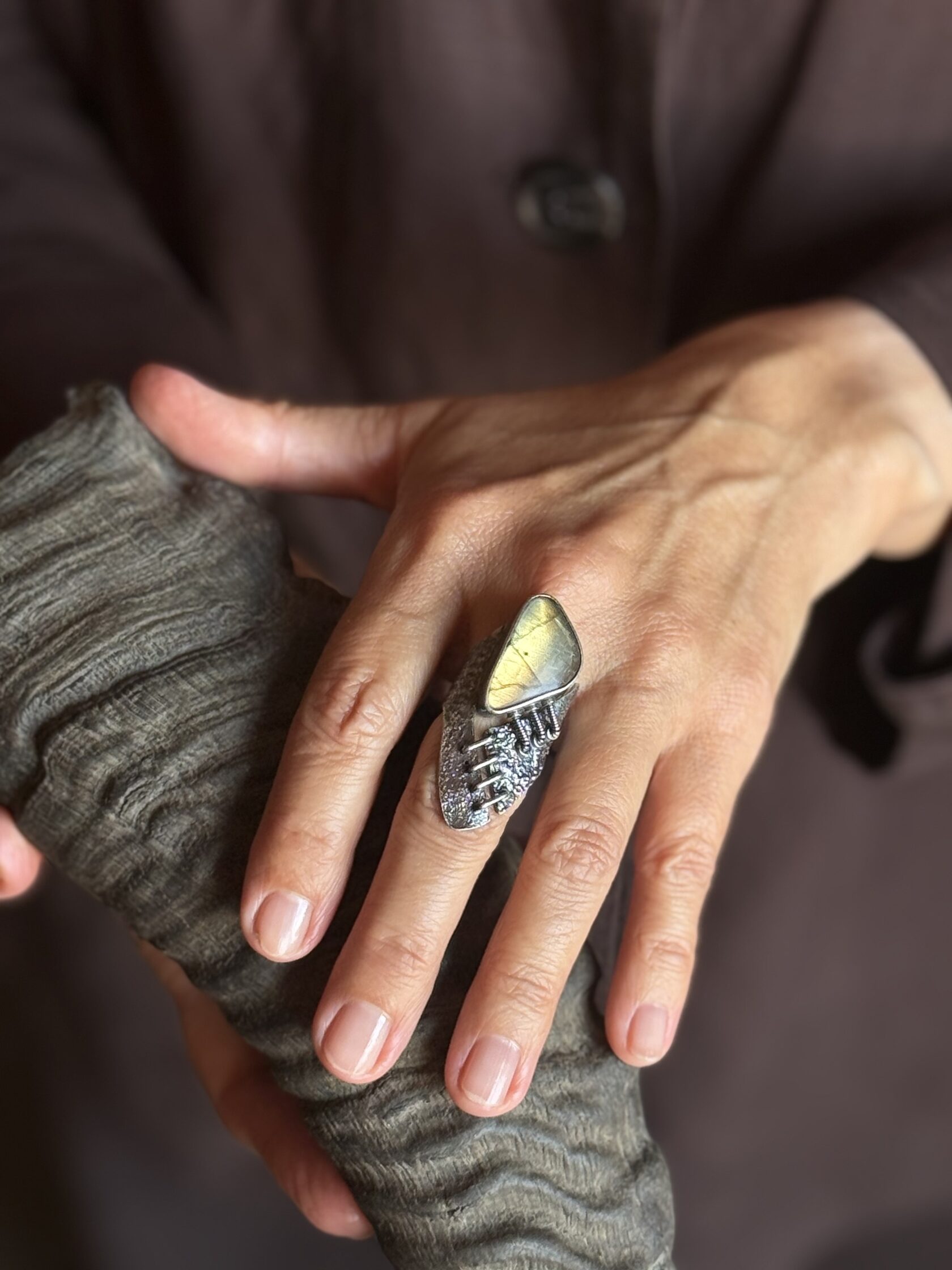 Elongated BioA work can become an entry point into a narrower direction such as biomechanical or sculptural jewelry.
This is not a ranking. The four works show different entry points into one practice, and every named card links to its exact work page.
Frequently asked questions
Related NP Studio materials
If discovery is complete and the next question is selection, see How to Choose a Unique Silver Ring. For neighboring terms and directions, use Art Jewelry, Artisan Jewelry, Architectural Jewelry, Biomechanical Jewelry and Jewelry as Wearable Sculpture.
