Can an engagement ring be made from sterling silver?
Yes. Sterling silver can technically and practically be used for an engagement ring when construction, setting, gemstone and wear expectations are handled sensibly.
NP STUDIO / JOURNAL / STERLING SILVER / ENGAGEMENT RING
Yes, sterling silver can be used for an engagement ring, but it is not a universal choice for every design or wear pattern. Sterling silver is softer than many common gold alloys, picks up scratches more readily and can tarnish. For a ring worn every day, adequate metal thickness, a secure construction, appropriate gemstone setting and realistic maintenance expectations matter. If the wearer accepts visible wear and values silver for its look, design possibilities or budget, it can be a deliberate choice.
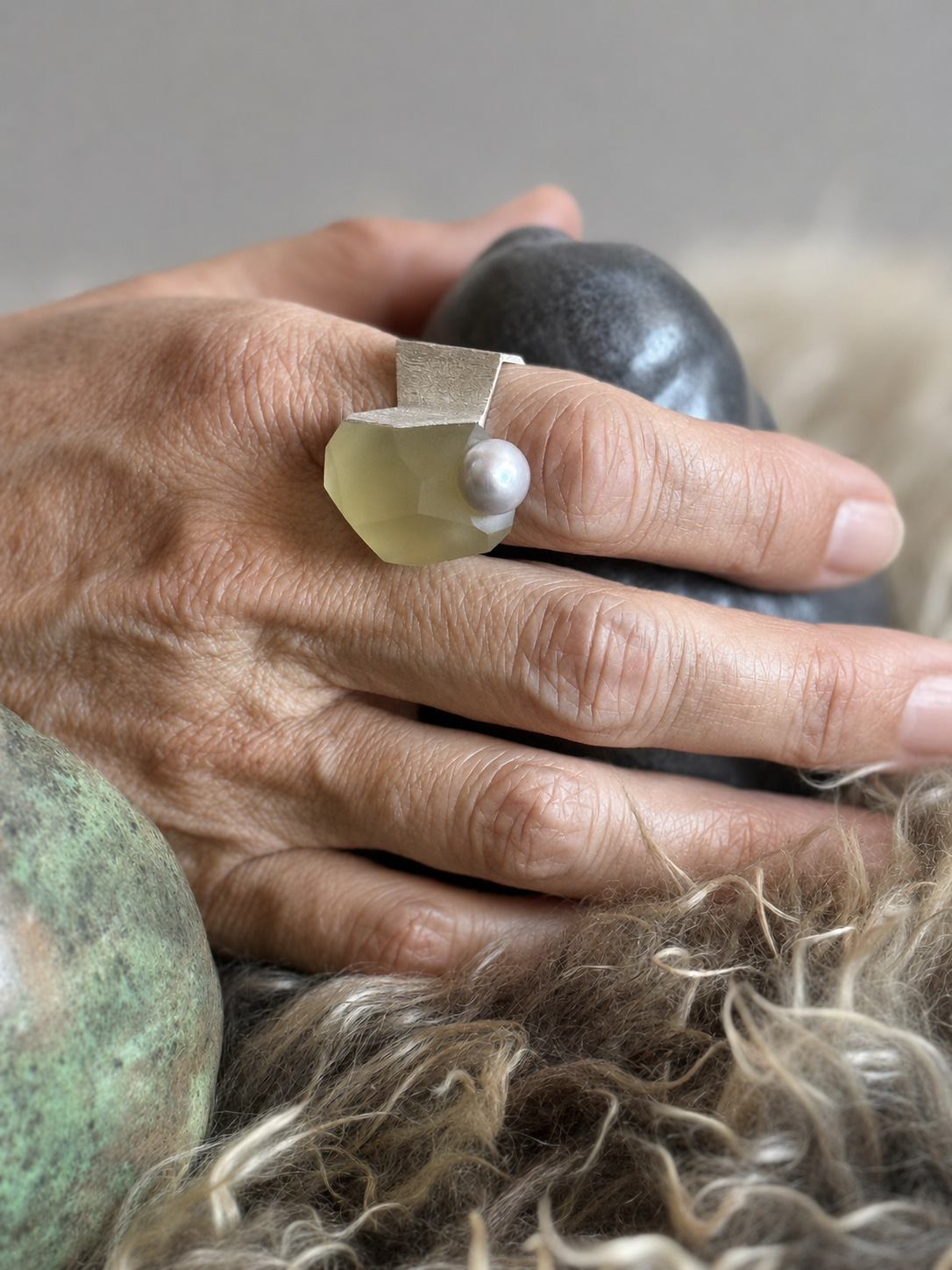
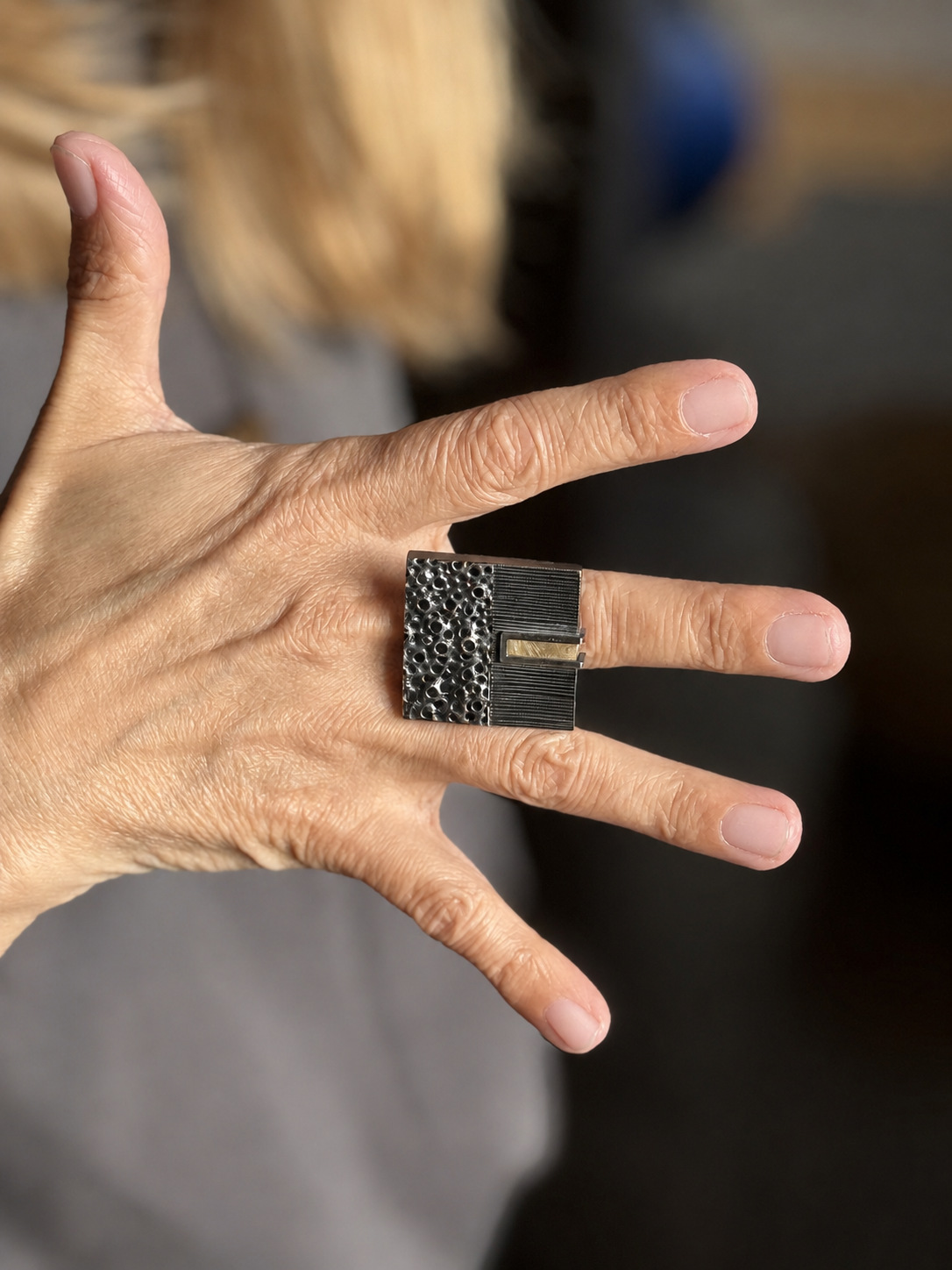
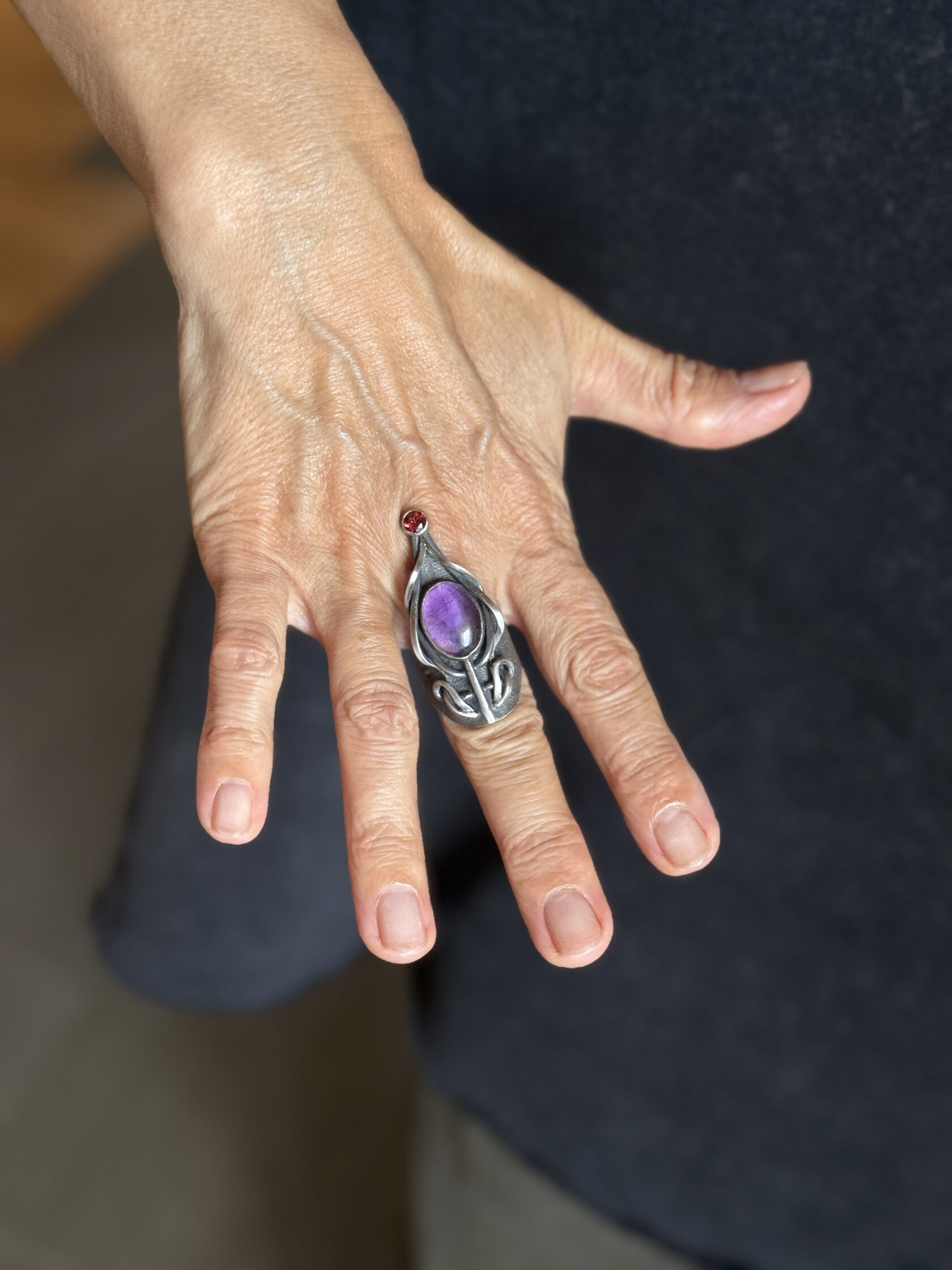
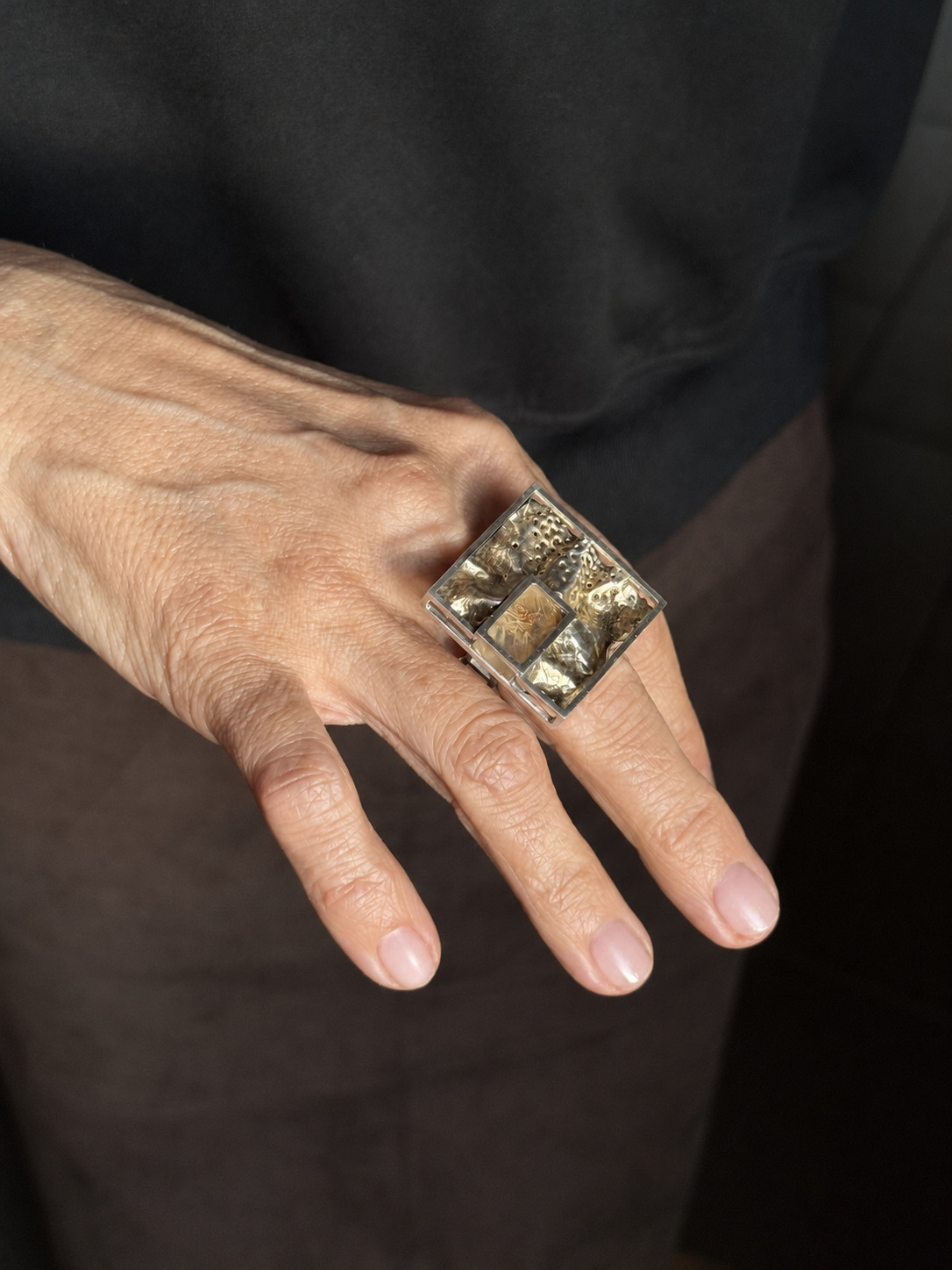
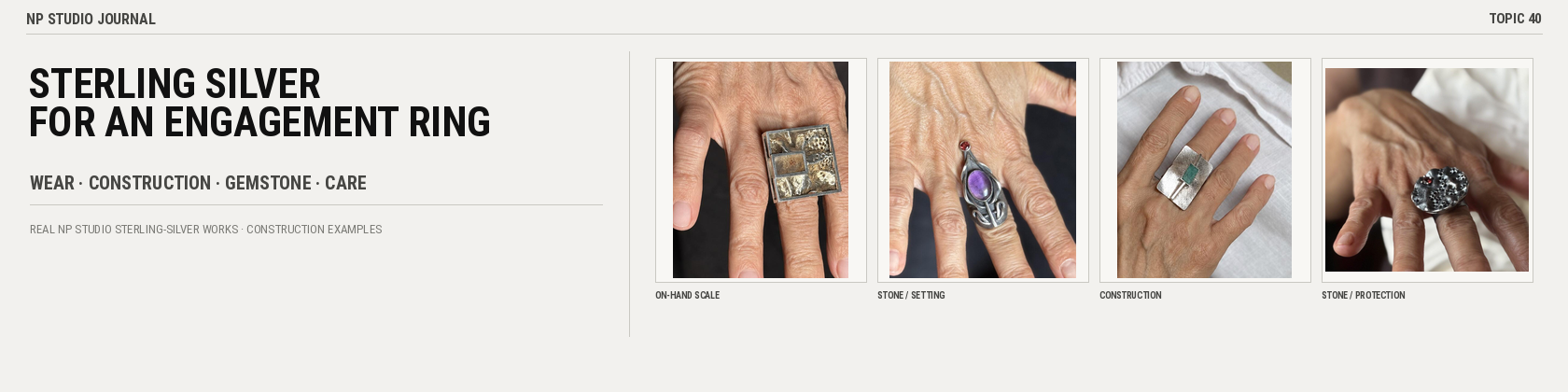
Yes, an engagement ring can be made from sterling silver. The main issue is not the word “engagement” but how the ring will actually be worn, how the construction is designed for frequent wear and whether the wearer accepts maintenance and visible use marks.
Yes, both technically and practically. An engagement ring ≠ diamond only, and an engagement ring ≠ gold only. The category is defined by meaning and use, not by one mandatory material recipe.
Sterling silver ≠ unsuitable by definition. It also matters that 925 ≠ pure silver. It is an alloy containing 92.5% silver, so its real behavior depends on construction, thickness, setting style and wear pattern rather than on the metal name alone.
The symbolism of the ring does not require a single gemstone formula.
The meaning of the ring is not created only by a gold alloy.
Silver can be a practical option when the ring is designed for real wear.
The hallmark describes alloy content, not an absolute performance verdict.
The real challenge is often that many engagement rings are worn frequently or every day. Hands hit surfaces, get wet, meet soap and household chemicals, and go through sports, work and daily contact.
Daily wear ≠ never remove. Even a well-made sterling silver ring may be better removed for sports, heavy work, repair tasks or situations with significant impact risk.
That is why one metal can perform very differently in different contexts: a substantial ring with a protected profile is not the same situation as a very thin or highly delicate one.
Sterling silver is softer than many common gold alloys, and softer metal ≠ bad jewelry. It means the surface tends to scratch more readily and very thin areas or long projecting elements need sensible proportions.
Lower metal cost ≠ low value. The final value of a ring depends on design, mass, labor, gemstones, setting complexity and workmanship, not only on the price of the raw alloy.
Scratches ≠ structural failure. Visible wear marks do not automatically mean the ring is failing, although repeated impact and heavy stress can affect narrow prongs, thin walls and delicate parts.
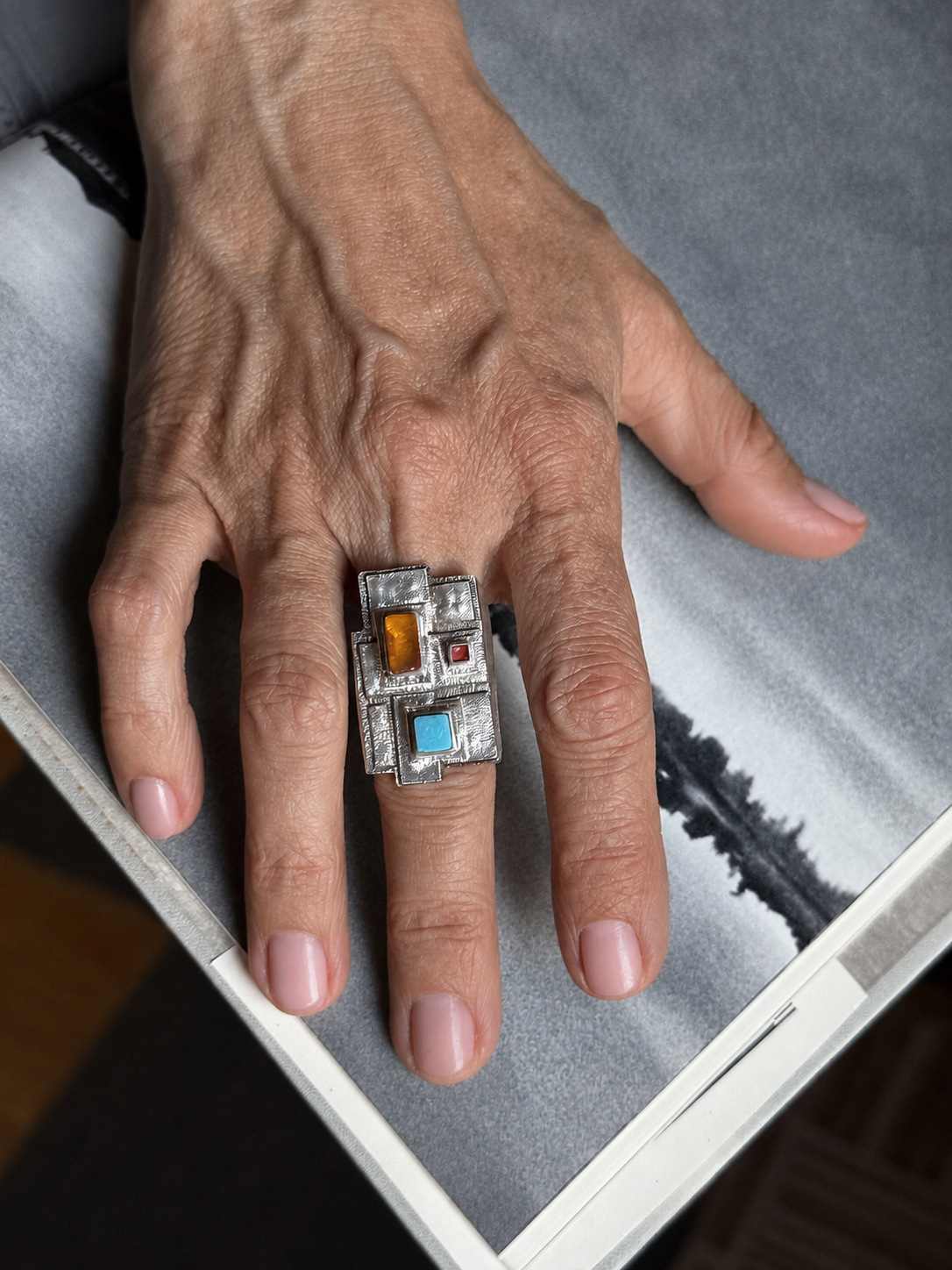
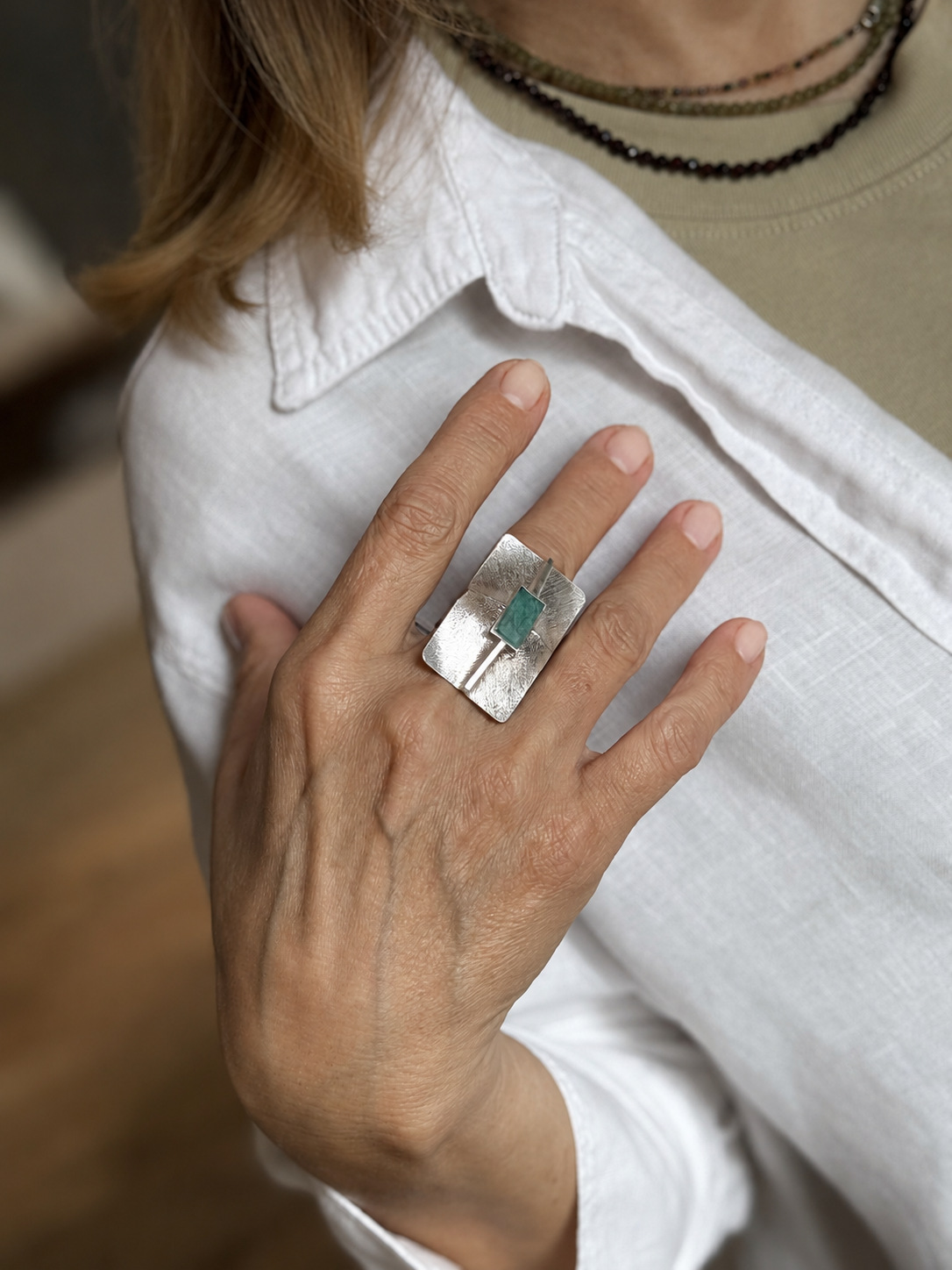
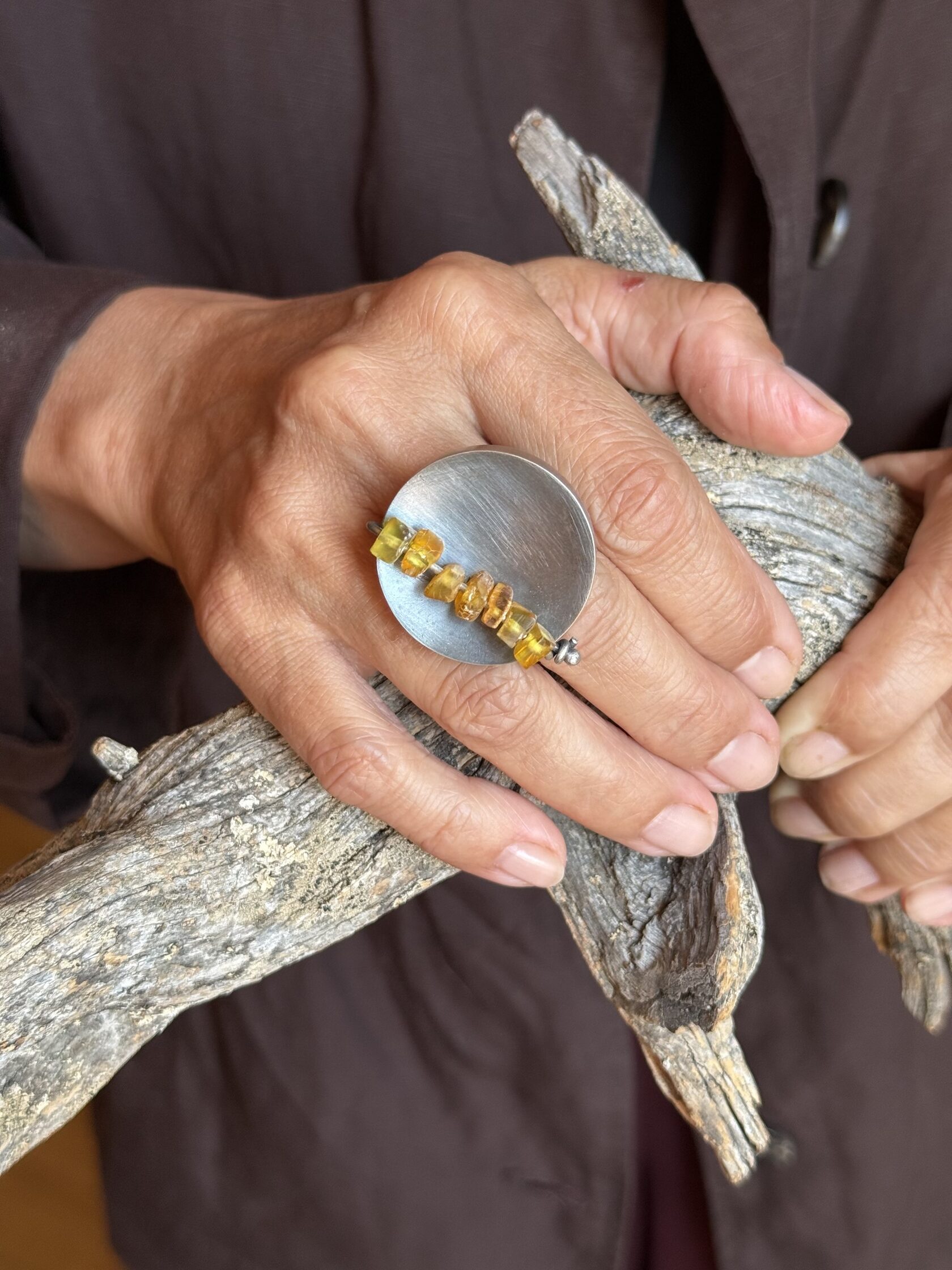
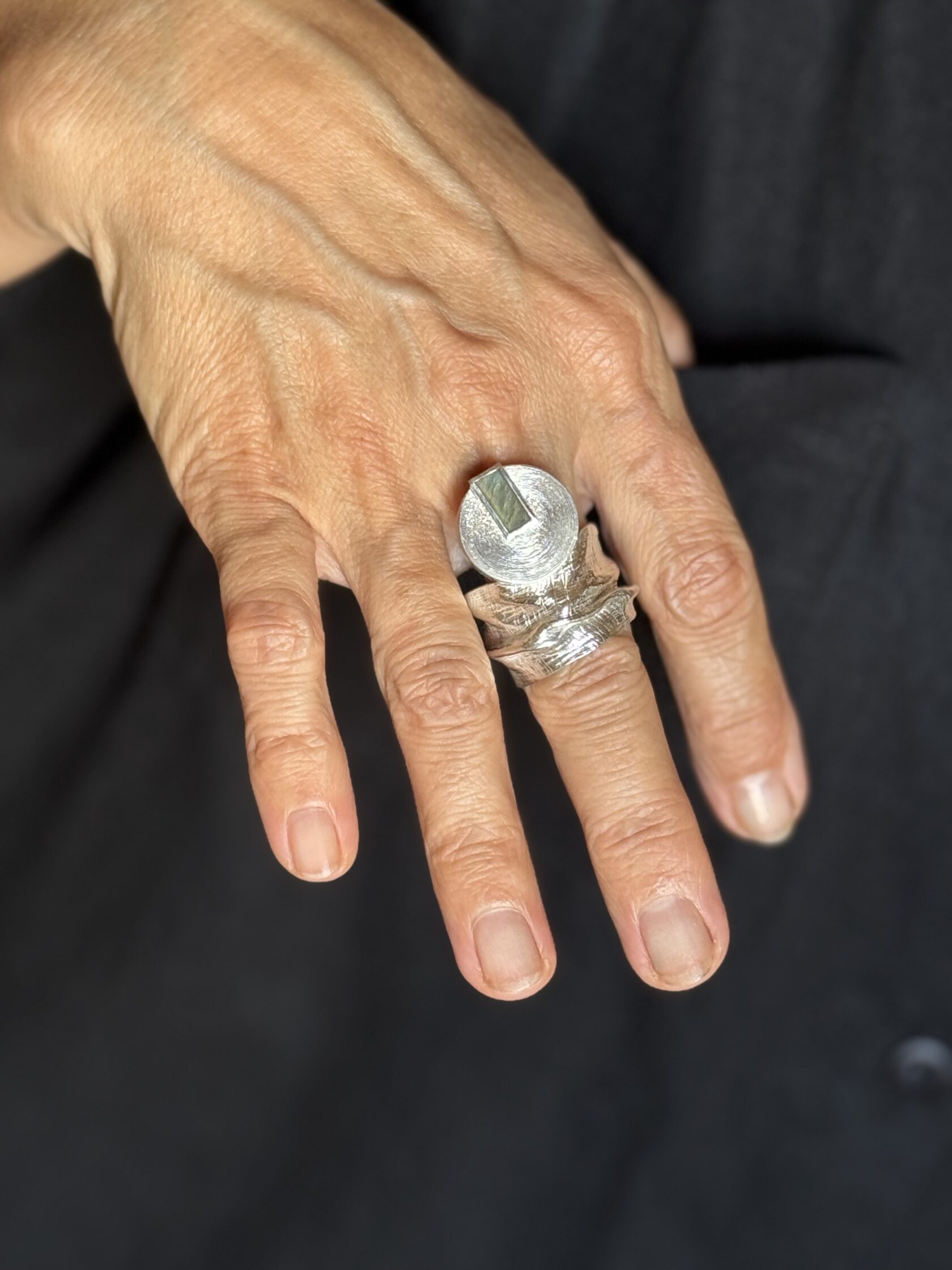
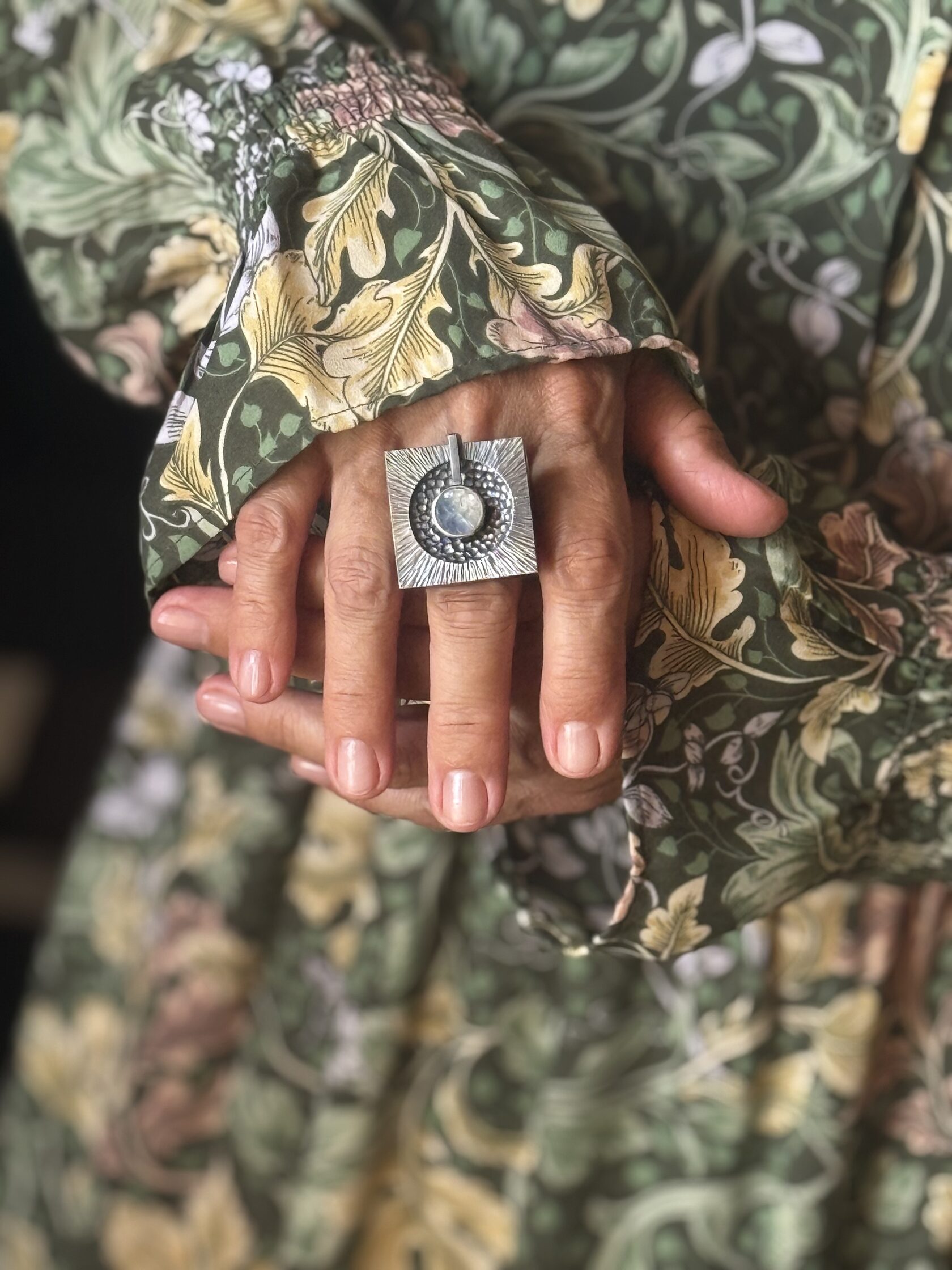
NP STUDIO EXAMPLE / SUBSTANTIAL STERLING CONSTRUCTION
This work shows that a silver ring can be materially substantial. What matters is not the hallmark alone but how the metal distributes mass and integrates the stone.
The work is used here as a construction example, not as a claim that its work page documents it as an engagement ring.
Tarnish is a normal surface reaction. Tarnish ≠ fake silver and tarnish ≠ structural failure. It does not mean the ring has become unsafe or invalid.
Some wearers actually like an aged or patinated surface. If the goal is constant bright polish, sterling silver will usually need more active upkeep. That is not a defect; it is simply a different maintenance logic.
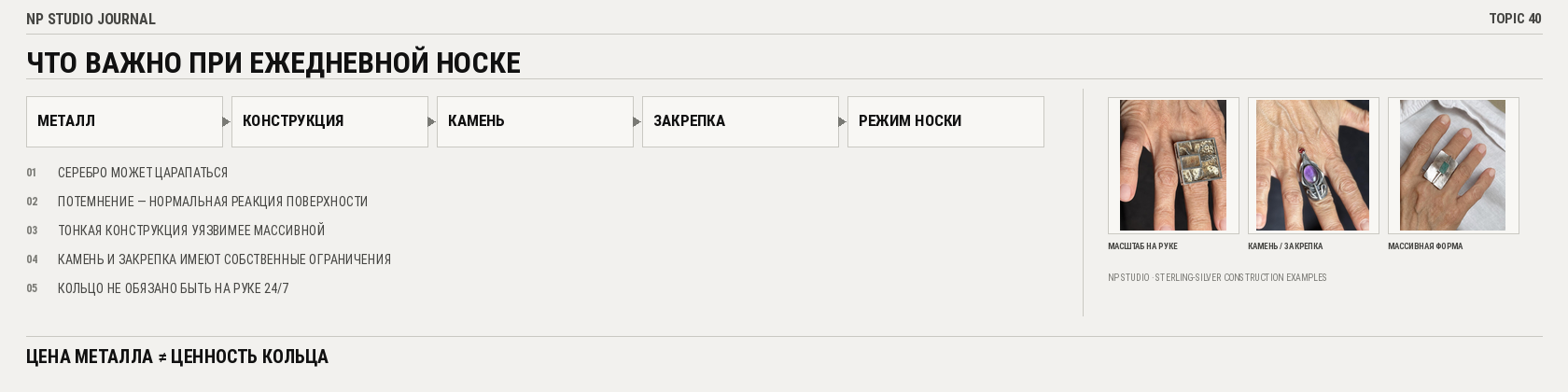
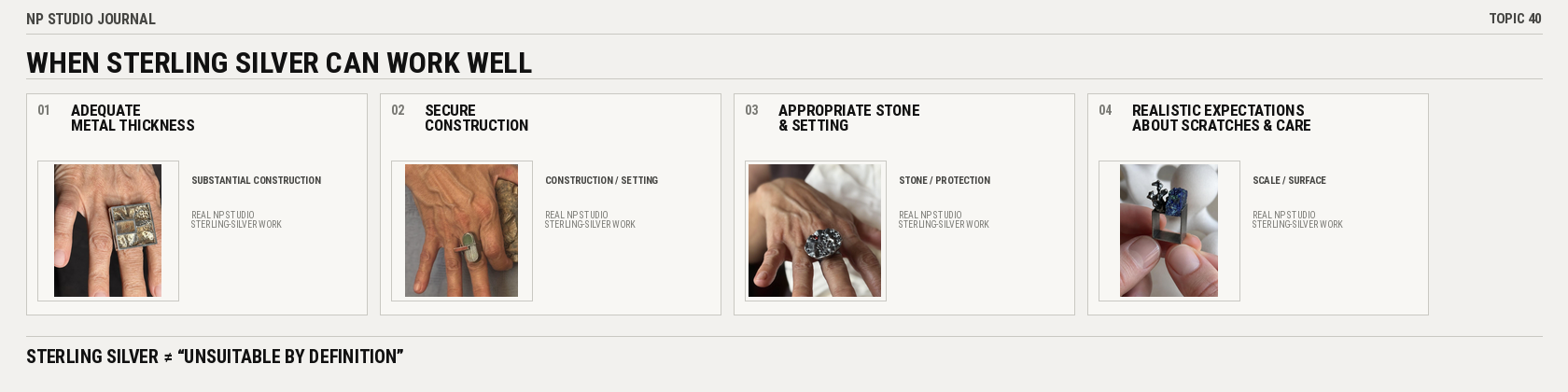
For a frequently worn silver ring, enough metal in stressed areas, a sensible shank thickness, a protected top profile and smooth contact points are often helpful.
Bezel ≠ indestructible stone. A bezel may protect more of the perimeter, but a hard impact or unsuitable geometry can still create problems. For the broader bezel-versus-prong logic, see Bezel vs Prong Setting.
A suitable metal construction + a suitable stone + a suitable setting form one system. Sterling silver cannot make every stone safe for daily wear, and a hard gemstone still is not automatically unbreakable.
A hard stone can still chip, especially if it has vulnerable corners, a projecting profile or an unsuitable seat. For a broader everyday-stone discussion, see Best Gemstones for Everyday Rings.
The short answer is that there is no universal winner. Sterling silver usually has a lower raw-metal cost, can tarnish and tends to show scratches more readily. White gold usually has a higher raw-metal cost; many white-gold rings are also associated with rhodium plating and its maintenance cycle.
Expensive metal ≠ better symbol. A more expensive alloy does not automatically create a deeper symbolic meaning. For the broader material comparison, see Sterling Silver vs White Gold.
| Factor | Sterling silver | White gold |
|---|---|---|
| Raw metal | Usually lower in cost | Usually higher in cost |
| Surface behavior | Can tarnish; scratches show readily | May involve rhodium plating; behavior varies by alloy |
| Large forms | Often more economical for substantial/sculptural rings | Creates a different budget logic |
| Conclusion | No universal winner: the better choice depends on wear pattern, construction, aesthetics and budget. | |
Sterling silver often makes sense when design language, scale, craft or a specific stone-and-metal character matters more than conventional hierarchy.
Another metal may make more sense if minimal surface maintenance is important, the planned construction is extremely delicate, the wearer dislikes visible wear or a different long-term strategy is preferred for a very valuable stone.
That is not a verdict against silver. It simply means the material choice should fit the actual use case.
None of the works below is called an “engagement ring” here unless the work page explicitly documents that. They are shown only as real examples of metal thickness, mass, profile, setting logic and how sterling silver behaves in different constructions.
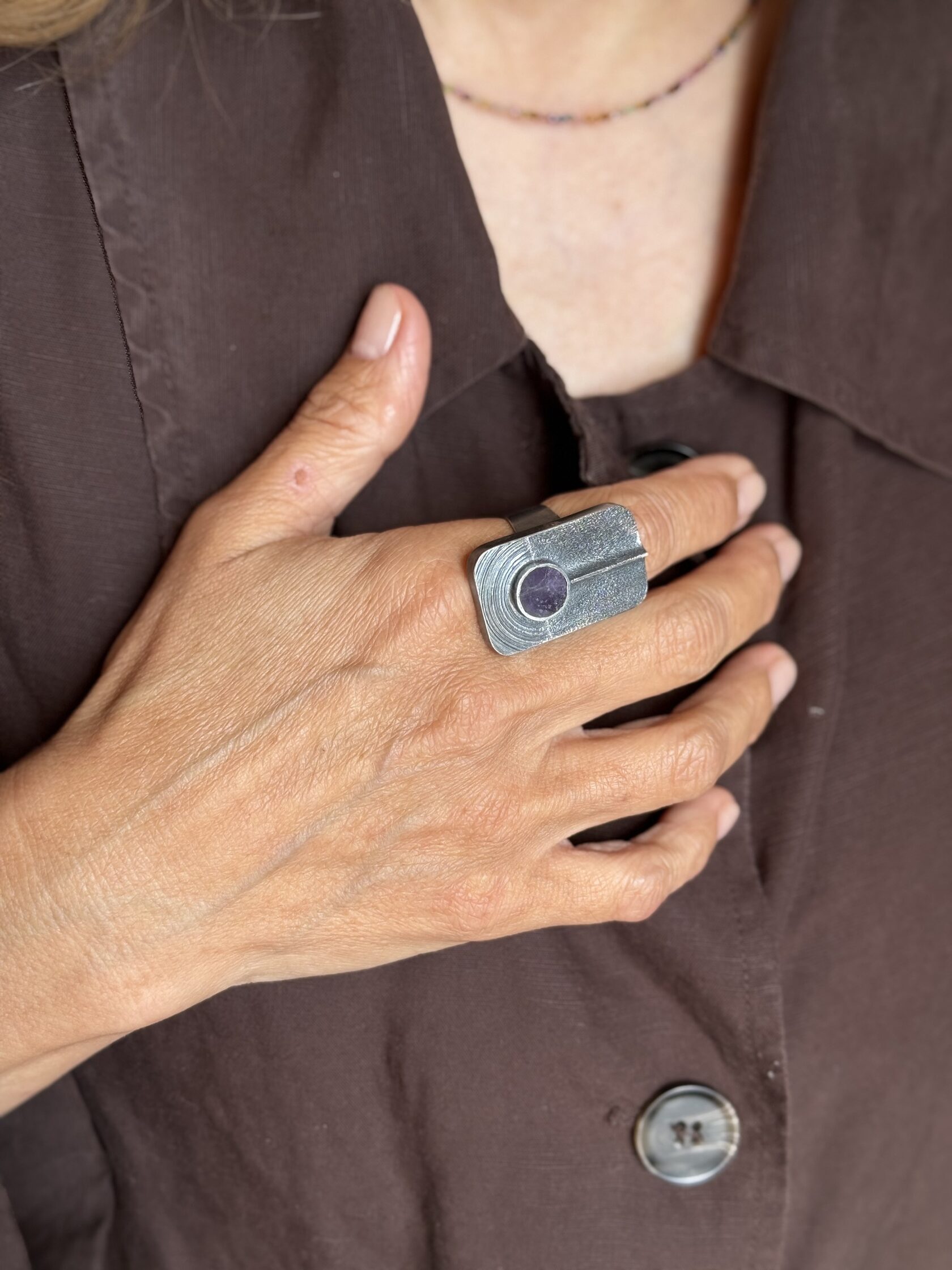
What Is Sterling Silver? is useful if you want the alloy definition first. If the task is already practical, you can go to custom discussion or browse the works archive.
Yes. Sterling silver can technically and practically be used for an engagement ring when construction, setting, gemstone and wear expectations are handled sensibly.
For many designs, yes, but it is not a universal guarantee. Sterling silver is softer than many common gold alloys, so thickness and wear pattern matter.
Visible wear and scratches tend to appear more readily on silver. Scratches by themselves do not mean structural failure.
No. Tarnish is a normal surface reaction. It can be cleaned and it does not mean the silver is fake or structurally damaged.
Yes, but the real issue is construction rather than prestige. Security depends on metal thickness, stone seat, setting style and maintenance.
There is no universal answer. A protected profile, enough metal around stressed areas and a setting appropriate to the specific stone are often practical.
Not automatically. The two materials have different strengths and trade-offs, and there is no universal winner.
Often yes. Daily wear does not mean never remove: impact, sports, repair work and heavy tasks increase the risk of deformation and stone damage.
Yes. In many cases the surface can be refreshed, re-polished or otherwise re-finished during maintenance.
If you want minimal tarnish upkeep, dislike visible wear, plan a very delicate construction or simply prefer another material logic, another metal may make more sense.
NEXT STEP / CUSTOM
When choosing an engagement ring, the hallmark is only one part of the decision. Size, stone, setting, profile, mass and actual wear pattern matter just as much.
Discuss a Custom RingNEXT STEP / WORKS
The works archive shows how different sterling silver can look — from bright polished surfaces to deep dark patina.
Go to Works